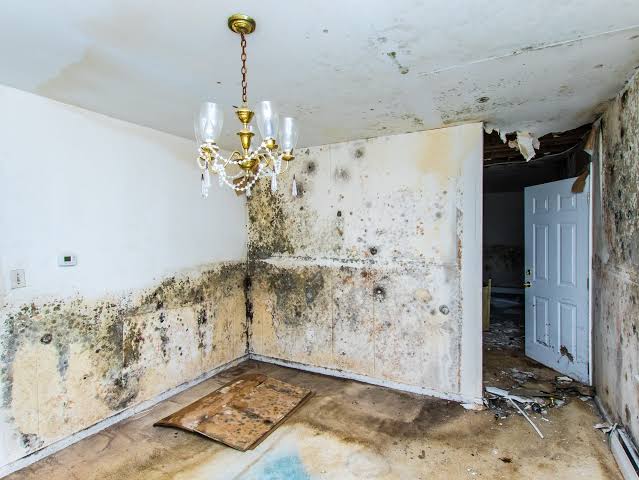
Mold is an insidious household invader. By the time you spot a fuzzy green patch or a large black splotch on your drywall, the infestation has usually been growing behind the scenes for weeks—or even months.
Catching mold in its earliest stages is the key to protecting both your home’s structural integrity and your family's health. But because early-stage mold often hides in dark, damp spaces like crawlspaces, behind walls, or under flooring, you need to know what subtle clues to look and listen for.
Here are the early warning signs of mold damage in your home and what you can do about them.
A Persistent Musty or Earthy Odor
One of the very first indicators of mold isn’t visual—it’s olfactory. If your home, basement, or a specific closet consistently smells damp, earthy, or like old books, you likely have hidden mold. This distinct, stale scent often intensifies after it rains, signaling trapped moisture proliferating behind your walls or flooring.
The Clue
The signature warning sign is an unmistakable, earthy aroma that lingers even after thorough cleaning or airing out the space. This odor is caused by microbial volatile organic compounds released into the air by active mold colonies, meaning an infestation is thriving out of sight in your home.
Where to Check?
Sniff closely around baseboards, beneath kitchen and bathroom sinks, and inside dark closets built against exterior walls. Don’t forget to inspect your HVAC vents, utility rooms, and crawlspaces, as stagnant air and hidden condensation in these vulnerable zones frequently trigger rapid, unnoticed mold growth.
Unexplained Health Symptoms
Mold releases microscopic spores and microbial VOCs (volatile organic compounds) into the air. If you or a family member experience sudden, unexplained health issues that seem to improve when you leave the house, mold could be the culprit.
Common early symptoms include:
Frequent sneezing or a runny, stuffy nose
Itchy, watery, or red eyes
A scratchy throat or persistent dry cough
Unexplained skin irritation or rashes
Heightened asthma or allergy flare-ups
Subtle Discoloration on Walls or Ceilings
Before mold becomes a thick, textured growth, it often starts as minor discoloration. If you notice yellow, brown, or grayish stains appearing on your ceilings or drywall, moisture is present—and mold is likely following close behind.
What to Look for?
Inspect your walls and ceilings for faint yellowish, brownish, or grayish water rings. Watch closely for bubbling wallpaper, warped drywall seams, or paint that is starting to flake and peel. These subtle surface alterations frequently indicate that moisture has compromised your building materials behind the scenes.
The root cause
Discoloration and structural staining almost always point to a slow, hidden plumbing leak, a subtle roof vulnerability, or persistent window frame condensation. Until you fix this underlying moisture source, any surface cleaning will only provide a temporary fix while mold continues spreading behind walls.
High Indoor Humidity and Condensation
Mold thrives in moisture. If your living space feels uncomfortably humid, sticky, or damp, you are inadvertently creating an ideal breeding ground for spores. While humidity fluctuates seasonally, persistently high indoor moisture levels accelerate fungal growth across organic materials. Keeping your environment dry is your first and most effective line of defense against unexpected mold infestations.
The Clue
A major warning sign is frequent, heavy condensation pooling on the interior side of your glass windows, metal pipes, or exterior-facing walls during mornings. If moisture constantly beads up on these cold surfaces, your indoor humidity is far too high, creating the wet micro-climates that active mold colonies require to rapidly multiply.
The Fix
Maintain indoor humidity levels below fifty percent. Use air conditioners and dedicated dehumidifiers in naturally damp basements or crawlspaces. Always run exhaust fans during and after showers or cooking to vent steam outside. Promptly sealing air leaks and improving household ventilation will eliminate trapped moisture and prevent future mold growth.
Recent Water Damage or Plumbing Mishaps
Have you experienced a minor roof leak, an overflowing toilet, a burst supply line, or a flooded basement in the last few months? Even if you dried the area quickly, residual moisture trapped behind building materials can lead to mold within 24 to 48 hours.
Pro Tip
Treat any past water event as a high-risk zone. If materials like subflooring, insulation, or drywall stayed wet too long, mold is very likely developing inside the wall cavity.
What to Do If You Suspect Early Mold Damage?
Discovering mold early can save you from extensive property destruction and costly remediation. When you notice subtle warning signs like musty odors or faint stains, taking immediate action prevents spores from spreading further. By locating moisture sources, inspecting vulnerable zones, and knowing when to call experts, you can successfully protect your home's structural integrity and maintain a safe, healthy living environment for your family.
Find and Stop the Source
Never attempt cleaning until you fix the underlying moisture problem. Locate and repair leaking plumbing pipes, patch roof vulnerabilities, or seal window frames. Mold will inevitably return if the excess moisture remains unchecked. Eliminating the source cuts off the vital water supply that active colonies require to grow.
Inspect Hidden Areas
Thoroughly examine dark, unventilated zones where moisture frequently accumulates. Look underneath kitchen and bathroom sinks, behind major appliances like refrigerators and washing machines, and inside utility closets. Check around HVAC units and inspect basement corners to catch early fungal growth before it spreads out of sight.
Call the Professionals
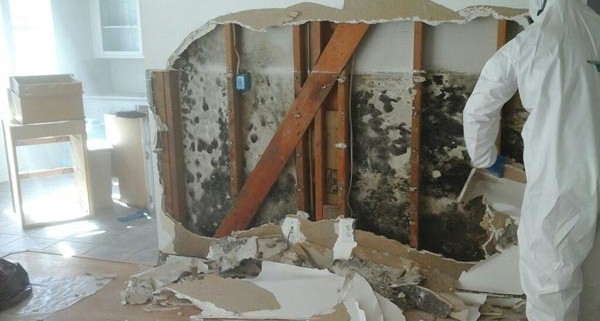
If the affected area exceeds ten square feet, or if mold has infiltrated your HVAC system or structural framing, hire certified remediation specialists. Experts utilize industrial containment barriers, specialized HEPA filtration vacuums, and professional antimicrobial treatments to safely and thoroughly eliminate the hazard at its core.
Conclusion
Catching mold early protects your home and health. By recognizing subtle clues like musty odors, stains, and high humidity, you can tackle moisture problems before they escalate. Stay vigilant, address leaks immediately, and never hesitate to call professionals when hidden damage threatens your living space.