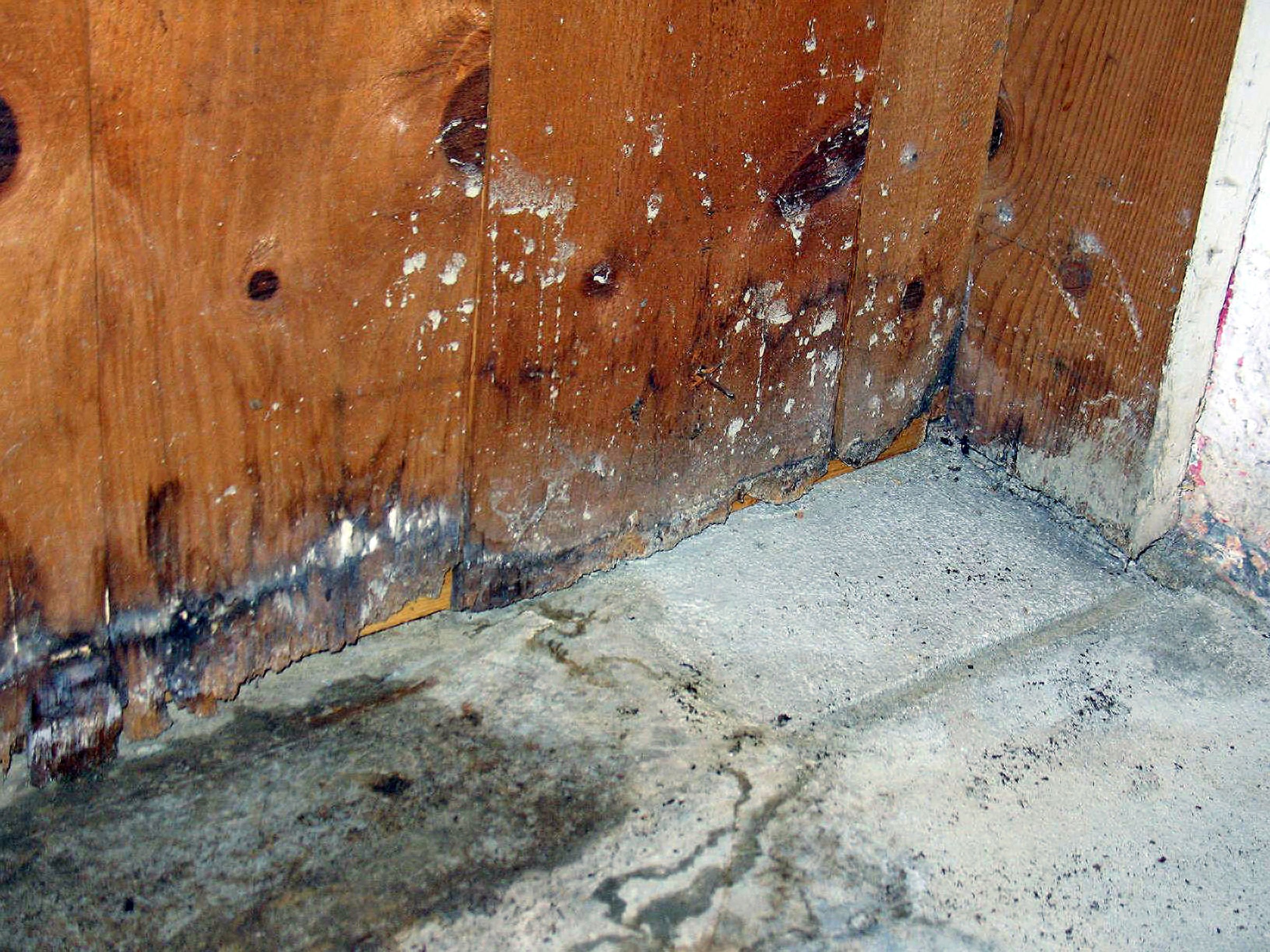
Water damage is rarely just a physical or structural issue—it is an invisible biological countdown. Within 24 to 48 hours of a leak, flood, or pipe burst, excess moisture creates the ideal greenhouse effect for fungal spores already present in the air. Understanding the direct link between water intrusion and severe mold proliferation can save property owners thousands of dollars in remediation costs and prevent major health complications.
The Science of Moisture and Fungal Spores
Mold spores are microscopic, weightless, and constantly floating through the air indoors and outdoors. They remain dormant until they encounter three essential elements: organic material (such as drywall, wood, or carpet backing), oxygen, and moisture. When water damage occurs, building materials absorb and trap liquid. Even a small amount of hidden dampness provides the hydration mold needs to germinate, feed, and multiply exponentially within a matter of days.
Why Hidden Water Damage is the Most Dangerous?
While standing water on a hardwood floor is easy to spot, water damage often migrates behind walls, beneath floorboards, and inside HVAC ductwork. This hidden moisture creates dark, undisturbed pockets where mold colonies thrive completely out of sight. Musty odors or bubbling paint are frequently the only early warning signs that a toxic colony is expanding behind your drywall, making professional moisture detection critical after any major plumbing failure or storm.
Invisible Spread Behind Walls
Hidden water damage is exceptionally dangerous because it operates entirely out of sight behind drywall, subfloors, and insulation. When a pipe slowly leaks or a roof gently seeps, moisture saturates internal structural cavities without leaving visible puddles on the surface. Unchecked by daily cleaning or routine observation, mold colonies can spread aggressively across massive surface areas for weeks. By the time homeowners finally notice bubbling paint, warped baseboards, or damp patches, the infestation is already severe, deeply embedded, and structurally compromising.
The Illusion of a Quick Fix
Property owners frequently make the critical mistake of assuming that surface-level drying is enough to solve a water intrusion event. Wiping down wet hardwood or running a small room fan only addresses the visible moisture while leaving trapped water inside wall cavities and insulation layers. This false sense of security prevents proper remediation, allowing lingering dampness to foster hidden fungal growth. Because the environment remains dark and humid, mold thrives undisturbed beneath the surface, turning a superficial spill into a major indoor air quality hazard.
Delayed Structural Compromise
When moisture remains trapped within concealed building materials, it initiates a slow process of structural degradation. Cellulose-based materials like wooden studs, joists, and drywall lose their integrity as mold digests the organic fibers to feed its growth. This unseen decay weakens the very frame of a building over time, increasing the risk of sagging ceilings or collapsing walls. Because the damage progresses silently, the eventual repair costs are exponentially higher than they would be if the initial water intrusion had been detected and addressed immediately.
Compromised Indoor Air Quality
Hidden mold colonies release millions of microscopic spores and volatile organic compounds directly into the HVAC system and wall cavities, which then circulate throughout the entire home. Because the source is concealed behind walls, occupants may experience persistent allergic reactions, chronic fatigue, and respiratory distress without understanding why. Families often treat the symptoms with medication while breathing in toxic air daily, as the hidden mold continues to pump allergens through electrical outlets, baseboard gaps, and air vents into every room.
Health Risks of Untreated Mold Exposure
Allowing mold to colonize indoors poses significant risks to human health, particularly for children, the elderly, and individuals with asthma or compromised immune systems. Inhaling or touching mold spores can trigger allergic reactions, chronic sinus congestion, skin irritation, and severe respiratory distress. Certain toxic mold species, such as Stachybotrys chartarum (black mold), produce mycotoxins that can lead to neurological symptoms and long-term chronic illness if exposure is prolonged.
Respiratory and Allergic Reactions
Inhaling mold spores trapped indoors frequently triggers immediate, uncomfortable respiratory symptoms for building occupants. Individuals often experience persistent sneezing, chronic nasal congestion, itchy eyes, and deep throat irritation that mimics a lingering seasonal allergy. For people diagnosed with asthma, airborne mold acts as a potent trigger, causing sudden wheezing, chest tightness, and severe coughing fits. Because these reactions develop gradually, residents may mistakenly attribute their discomfort to external environmental factors rather than an unaddressed indoor moisture problem.
Severe Vulnerability for High-Risk Groups
Certain populations face significantly amplified danger when exposed to indoor mold proliferation over extended periods. Young children, elderly residents, and individuals with compromised immune systems or pre-existing chronic lung diseases are exceptionally susceptible to severe pulmonary infections. For these vulnerable groups, constant exposure can escalate from mild irritation to dangerous bronchial complications, recurring pneumonia, and emergency medical visits. Protecting sensitive household members demands absolute vigilance, rapid moisture extraction, and immediate professional intervention following any unexpected indoor flooding or water leak.
Neurological Symptoms and Mycotoxins
Certain aggressive mold species, commonly referred to as toxic black mold, produce hazardous metabolic byproducts known as mycotoxins. When occupants inhale or absorb these chemical toxins over a sustained period, they can experience neurological distress. Affected individuals frequently report chronic fatigue, brain fog, unexplained memory lapses, persistent headaches, and mood disturbances. These complex systemic reactions often puzzle traditional medical providers because the root cause remains silently active and entirely hidden inside the structural walls of the residential or commercial property.
Long-Term Chronic Health Deterioration
Prolonged, long-term exposure to untreated indoor mold environments can cause permanent, cumulative damage to human health. Continuous inhalation of mycotoxins and high concentrations of fungal spores degrades immune system resilience, leading to chronic inflammatory response syndrome and persistent hypersensitivity pneumonitis. Over months or years, individuals may develop permanent chemical sensitivities, chronic skin rashes, and severe autoimmune flare-ups. Resolving the physical environment through expert remediation is essential to halting this destructive health cycle and restoring safe, breathable indoor air quality.
Effective Prevention and Mitigation
Mitigating mold risk requires speed and precision. The most effective defense is drying out the affected area within 24 hours using industrial dehumidifiers, commercial air movers, and moisture meters. Porous materials that remain saturated for too long—such as insulation, drywall, and carpets—frequently require professional removal and disposal to prevent persistent indoor air quality issues.
Conclusion
Allowing water damage to linger transforms a simple plumbing fix into an aggressive mold infestation that threatens both your property and health. Because moisture easily hides behind walls and fosters toxic fungal growth within days, rapid professional intervention is essential. Addressing leaks immediately, deploying industrial drying equipment, and clearing out saturated materials protect structural integrity and indoor air quality. Swift action ultimately safeguards your investment and ensures a safe, breathable environment.