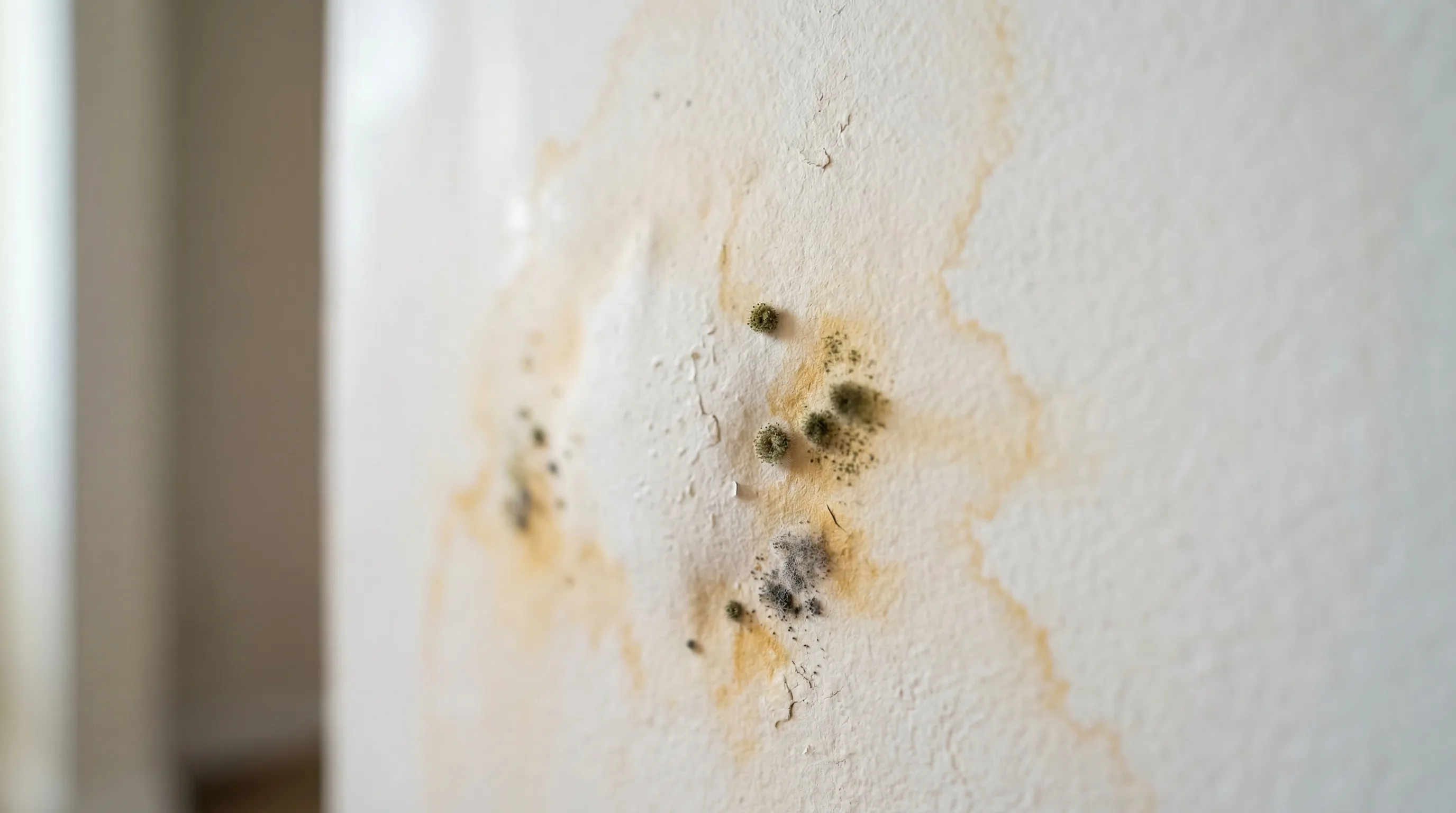
Water damage is stressful enough when you are dealing with soaked carpets, warped drywall, and ruined personal belongings. However, the true danger often begins days after the standing water is cleared away. When moisture lingers in hidden cavities, porous building materials, and HVAC systems, mold spores can colonize within 24 to 48 hours.
Leaving mold unaddressed after a flood, pipe burst, or appliance leak is a gamble with your health and your property's structural integrity. Understanding the hidden risks reveals why immediate, professional intervention is non-negotiable.
Severe Health Hazards
Mold is an active allergen and pathogen emitter. When colonies mature, they release millions of microscopic spores and volatile organic compounds (VOCs) into the indoor air. Inhaling or touching these spores triggers immediate and chronic health complications, particularly for vulnerable populations like children, the elderly, and individuals with compromised immune systems.
Respiratory Distress
Inhaling airborne mold spores and microscopic mycotoxins directly irritates your delicate airway tissues. This constant exposure frequently triggers severe coughing fits, persistent wheezing, tightness in the chest, and acute shortness of breath. For anyone living with asthma or chronic bronchitis, these invisible spores act as aggressive triggers, causing sudden, dangerous flare-ups that can quickly turn into debilitating respiratory attacks requiring emergency medical intervention.
Allergic Reactions
Mold colonies act as potent allergens that transform your indoor air into a constant source of physical discomfort. Regular exposure commonly manifests as chronic sinus congestion, recurring headaches, excessive sneezing, and itchy, watery eyes. You might also develop persistent skin rashes or throat irritation that mimics a never-ending cold, lingering day after day simply because your immune system is locked in an exhausting battle against indoor allergens.
Neurological Symptoms
Certain toxic mold strains release hazardous volatile organic compounds known as mycotoxins that directly impact your nervous system. Breathing these toxins in over time can cause baffling neurological issues, including severe brain fog, chronic exhaustion, unexplained dizziness, and debilitating migraines. When everyday mental clarity begins to fade alongside physical fatigue, hidden mold contamination inside your walls or HVAC system is often the surprising and dangerous root cause.

Rapid Structural Degradation
Mold is nature's recycler, and it feeds on organic materials commonly found in residential and commercial buildings. Cellulose-based materials—such as drywall, wood framing, insulation, subflooring, and wallpaper paste—provide an ideal food source. As mold digests these materials, it weakens their structural composition, turning sturdy load-bearing elements and framing into powdery, compromised debris. What starts as superficial discoloration can quickly escalate into thousands of dollars in structural repairs and complete material replacement.
Property Value and Air Quality Decline
An active mold infestation leaves a distinct, musty odor that permeates furniture, clothing, and HVAC ductwork. If you plan to sell or rent your property, a mold problem will quickly derail negotiations or fail home inspections. Furthermore, standard cleaning products and DIY sprays only treat surface growth. Without addressing the underlying moisture source and sterilizing affected spores at the root, mold will continuously return, steadily eroding indoor air quality and rendering the space unhealthy for habitation.
The Solution: Fast, Professional Remediation
Preventing long-term damage requires rapid response and specialized drying equipment. Industrial dehumidifiers, high-velocity air movers, and moisture meters must be deployed immediately following water damage to ensure structural cavities dry completely. If mold has already taken root, certified restoration professionals utilize HEPA-filtration vacuums, antimicrobial treatments, and containment barriers to eradicate the infestation safely without cross-contaminating unaffected areas of your property.
Conclusion
Don't wait for a minor leak to turn into a major health and financial crisis. If you are currently dealing with water damage or suspect hidden mold growth behind your walls, contact a certified professional restoration contractor today to schedule a thorough property inspection and protect your indoor environment.