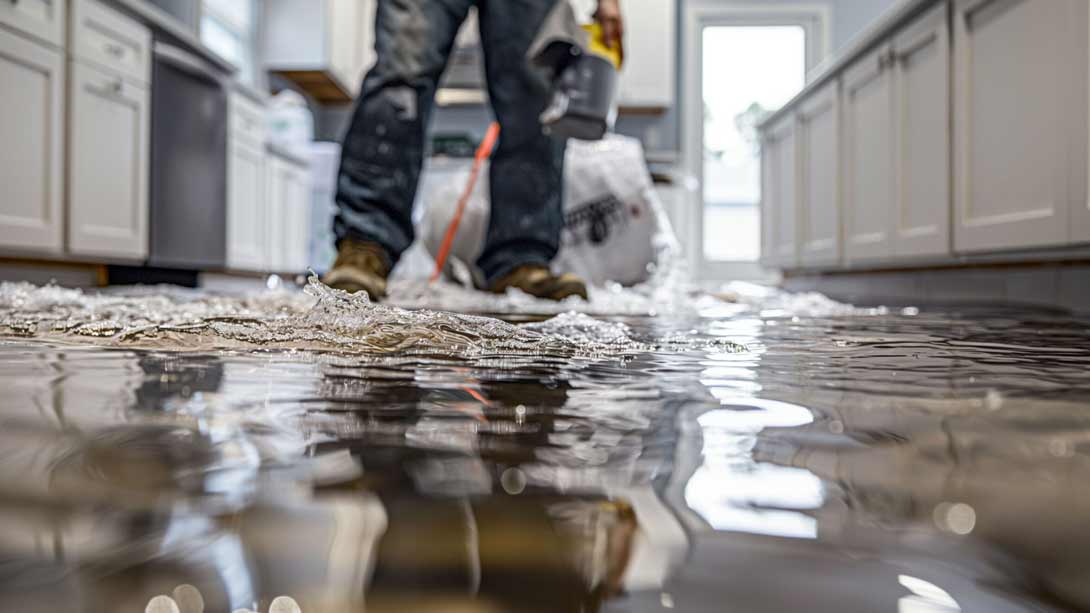
Discovering water pooling in your home triggers an immediate sense of panic. Whether it stems from a burst pipe, a malfunctioning washing machine, or severe weather flooding, the first few minutes dictate the severity of the structural damage and mold growth. Taking calm, decisive action protects your property, preserves your insurance claim, and protects your family's health.
Immediate Priorities After a Water Emergency Require Swift Execution
The first critical moments following a water disaster dictate whether you face minor repairs or catastrophic structural failure. Prioritizing personal safety, halting the water source, documenting damages for insurance, and contacting certified restoration professionals immediately prevents severe mold growth and protects your home's integrity.
Prioritize Personal Safety
Entering a flooded room without checking for hazards puts your life at serious risk. Always locate your main breaker box before stepping into any moisture to cut off electrical currents powering the impacted zones. If water has reached outlets, baseboard heaters, or major appliances, do not attempt to flip switches yourself; leave the house immediately. Never wade through unknown depths where submerged debris or contaminated sewage could cause severe injury or dangerous infections. Your physical well-being always supersedes protecting property.
Stop the Source
Halting the influx of moisture immediately limits the overall footprint of the disaster. Locate your primary shut-off valve beforehand so you can quickly twist it closed when a supply line ruptures or a fixture fails. If the emergency involves outdoor flooding, heavy storms, or backing up sewage lines, attempting to close indoor valves is ineffective and dangerous. In those extreme scenarios, evacuate the premises promptly and wait until municipal authorities or licensed contractors declare the environment safe for re-entry.
Call Your Insurance Company
Failing to notify your insurance provider early can complicate your eventual payout or delay vital financial relief. Contact your agent or claims hotline as soon as safety is secured to report the incident and understand your specific policy coverages. Before you discard ruined materials or begin heavy cleanup, capture extensive photographic and video evidence of every affected room, baseboard, and personal item. Detailed visual documentation serves as irreplaceable proof when adjusters assess your structural damage and property losses.
Remove Valuables and Electronics
Saturated items deteriorate rapidly if left resting against damp flooring or exterior walls. Lift portable electronics, important documents, photo albums, and sentimental belongings out of the hazard zone and carry them to a dry, elevated space. Unplug cords carefully without touching wet sockets to avoid shocks. Relocating these possessions prevents irreversible short-circuiting, ink bleeding, and permanent staining, saving you from heartbreaking losses that insurance policies occasionally fail to fully replace or compensate.
Begin Extracting and Drying
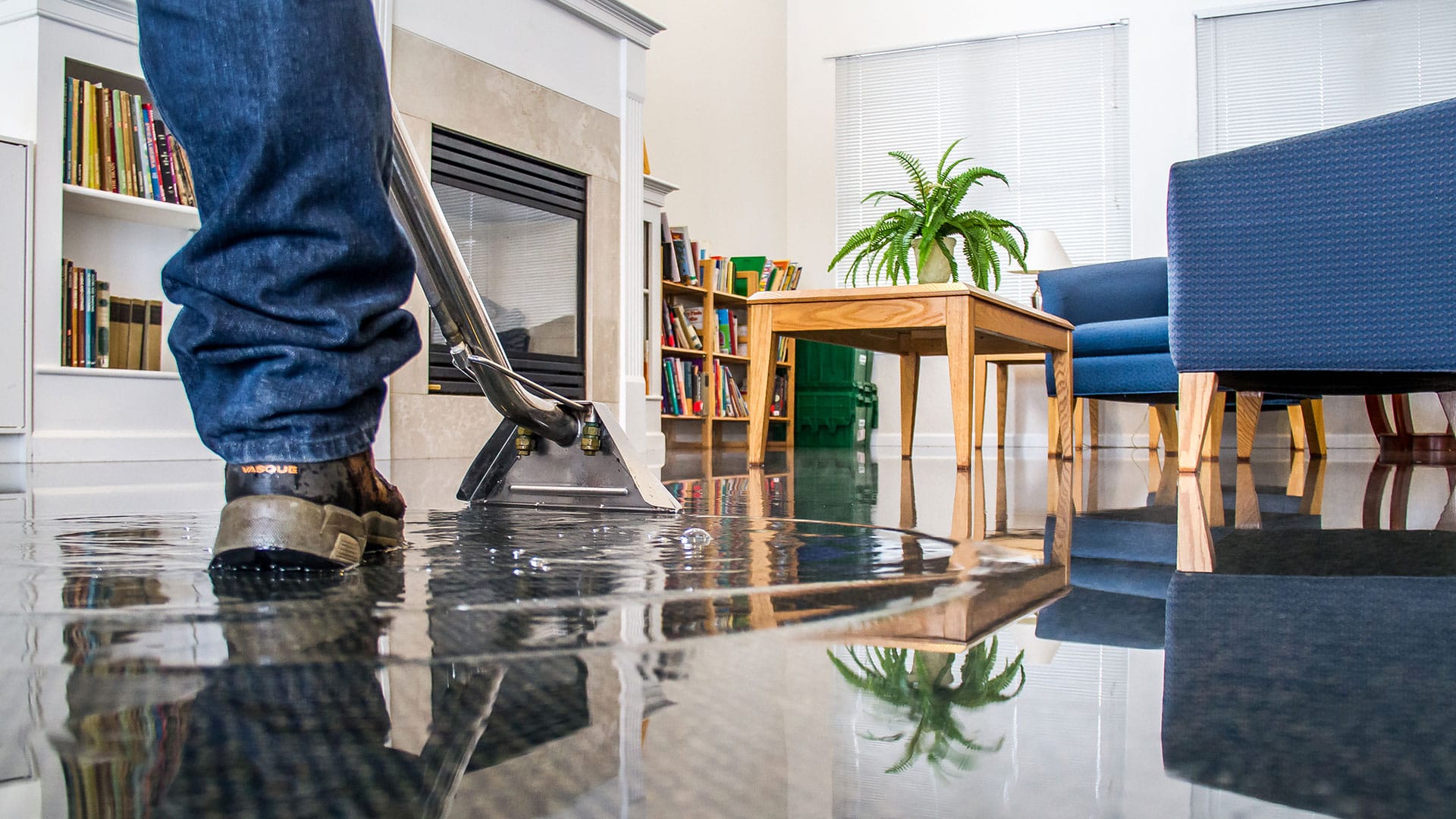
Lingering moisture settles quickly into subfloors, drywall cavities, and framing, triggering rapid microbial growth within just one or two days. Push standing water toward floor drains using push brooms or wet-dry vacuums if the water is clean. Position industrial box fans, oscillating units, and high-capacity dehumidifiers strategically across the space to keep air circulating continuously. Lowering indoor humidity levels rapidly stops warping in hardwood materials and hinders the early spores of dangerous household mold from establishing.
Call a Professional Restoration Contractor
Household fans and retail vacuums fail to extract moisture trapped deep inside insulation and concrete foundations. Certified restoration technicians deploy heavy-duty extraction pumps, thermal imaging cameras, and professional-grade air movers to verify that structural cavities are completely dry. Their specialized antimicrobial treatments neutralize bacteria and prevent toxic mold colonies from compromising your indoor air quality. Bringing in experienced contractors ensures your property returns to safe, pre-loss condition without hidden structural deterioration.
Conclusion
Navigating a water emergency demands swift, decisive action to protect your home and health. By prioritizing safety, stopping the source, documenting losses, and hiring certified restoration professionals, you minimize long-term structural destruction and mold risks, ensuring your property safely returns to its pre-loss condition.