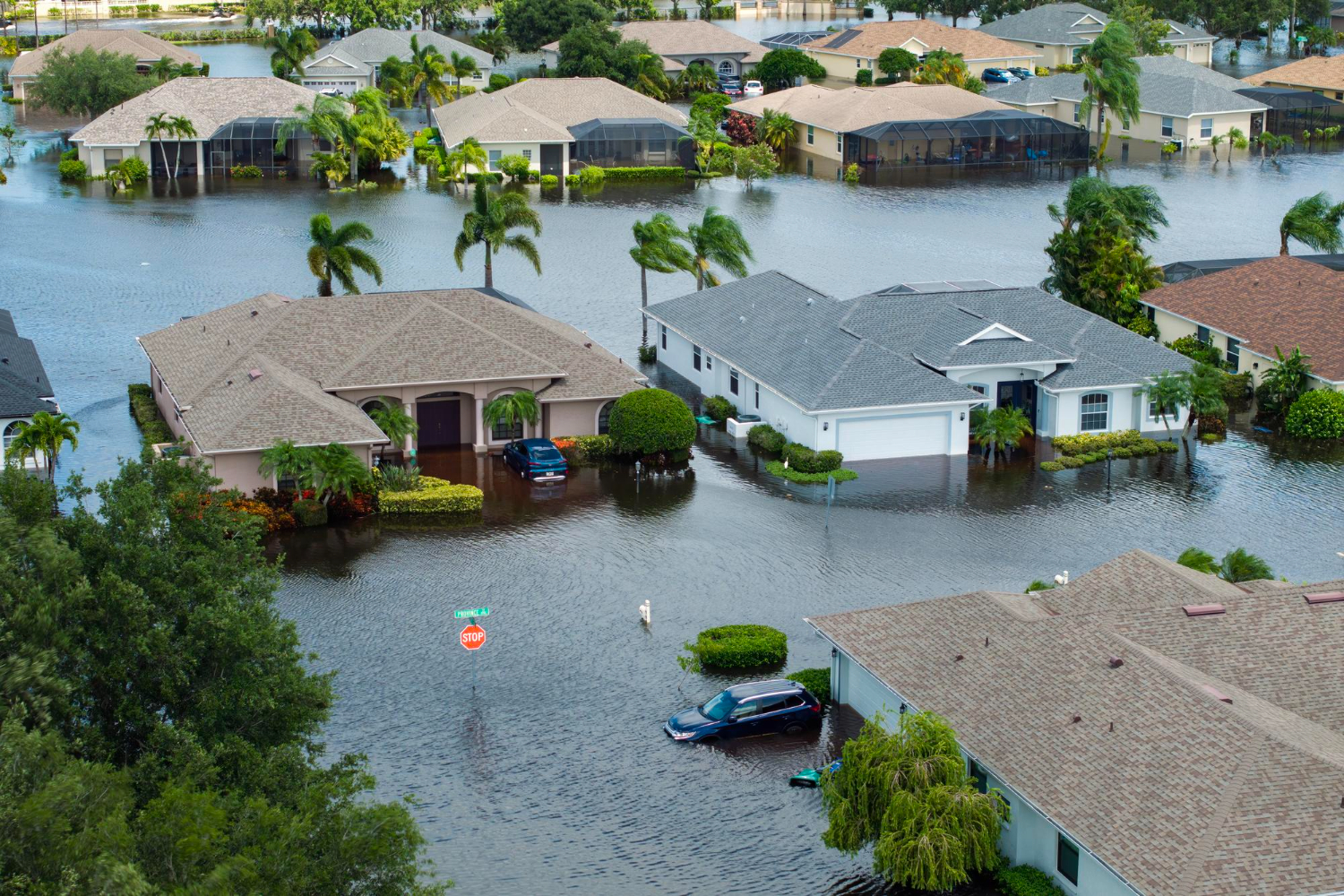
Experiencing a flood or severe water intrusion in your home or business is stressful. Once the water recedes or the plumbing leak is stopped, the immediate question on every property owner's mind is: How long is this going to take?
The short answer is that the flood damage restoration timeline can range anywhere from 3 to 5 days for minor incidents to several weeks or months for catastrophic flooding.
To help you set realistic expectations, let’s break down the step-by-step restoration timeline, the variables that influence it, and what you can expect during the process.
The Flood Damage Restoration Timeline
Professional property restoration follows a strict, phased protocol to ensure the structure is completely dry, sanitary, and safe before any rebuilding begins.
1. Emergency Assessment and Inspection (1 to 24 Hours)
Swift action is critical during the first day. Certified technicians arrive on-site to evaluate structural integrity and map moisture levels using advanced thermal imaging. They identify water categories—clean, gray, or black—to establish safety protocols. This initial assessment uncovers hidden moisture behind walls and under floors, allowing professionals to formulate a precise mitigation strategy before secondary damage spreads.
2. Water Extraction and Standing Water Removal (1 to 3 Days)
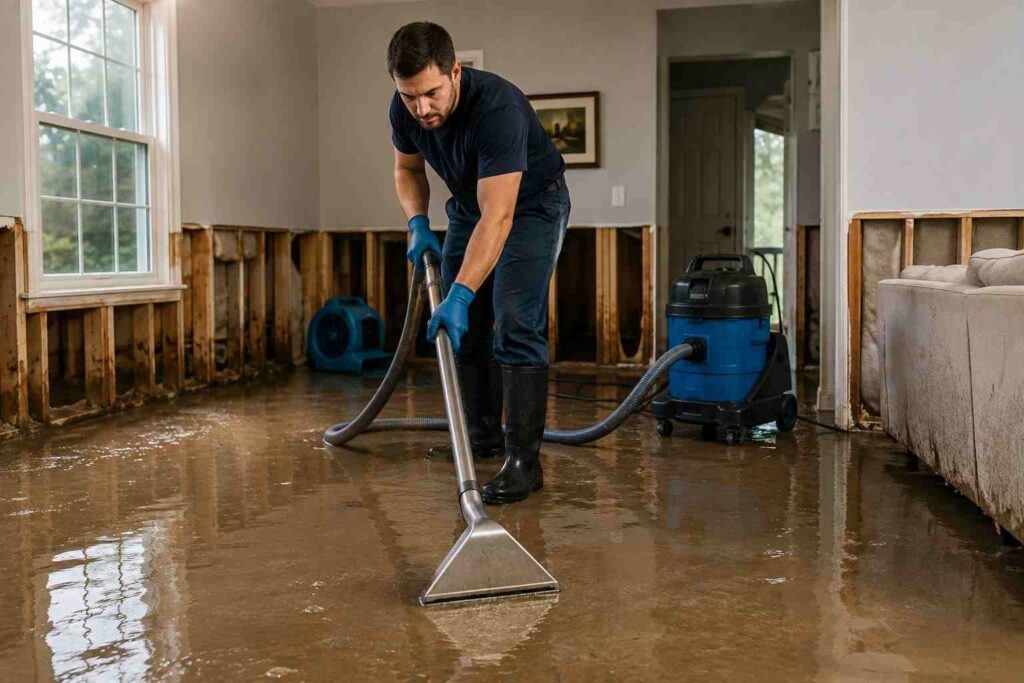
Once the inspection is complete, high-powered industrial pumps and heavy-duty wet vacuums eliminate standing water rapidly. Removing pooled water quickly prevents saturation from escalating into the framing and subfloors. Depending on the volume of water and the affected square footage, this extraction phase typically takes one to three days to thoroughly clear the property.
3. Structural Drying and Dehumidification (3 to 5 Days)
This essential phase stops mold growth and structural warping. Technicians place high-capacity industrial air movers and commercial dehumidifiers strategically throughout the space to draw trapped moisture out of drywall, subfloors, and studs. Most standard residential drying cycles require three to five days of continuous equipment operation to achieve normal moisture levels.
Standard Drying Time
For most minor to moderate water incidents, standard drying takes three to five days. Industrial air movers and high-capacity commercial dehumidifiers run continuously to pull moisture from drywall, flooring, and framing. Regular moisture meter readings ensure structural materials return to safe, pre-loss levels quickly.
Complex Drying Time
Complex drying scenarios can extend past seven days. When moisture penetrates dense materials like thick hardwood flooring, brick, multi-layer subfloors, or insulation, extraction becomes difficult. Deeply saturated structural components require specialized drying equipment, continuous monitoring, and extended operational time to prevent warping and severe degradation.
4. Cleaning, Sanitization, and Mold Prevention (1 to 2 Days)
Once structural drying is complete, meticulous cleaning and sanitization begin to eliminate lingering contaminants and health hazards. Technicians apply specialized antimicrobial and anti-fungal treatments to all affected surfaces, framing, and hidden cavities. Because mold can colonize within twenty-four to forty-three hours of moisture exposure, this targeted preventative phase is vital for ensuring your indoor environment remains completely safe and sanitary.
5. Repairs and Reconstruction (1 Day to Several Months)
The final stage involves putting your property back together. The duration here varies wildly based on the extent of the damage:
Light Repairs (1 to 14 Days)
Minor incidents require minimal reconstruction. This phase typically spans one to fourteen days, focusing on cosmetic fixes like painting walls, replacing damaged baseboards, patching small sections of drywall, or swapping out minor trim work to restore your property's appearance quickly.
Moderate Repairs (2 Weeks to 2 Months)
When water impacts structural elements extensively, repairs take longer. Spanning two weeks to two months, this phase involves replacing ruined flooring, hanging and finishing new drywall sections, reinstalling damaged cabinetry, and restoring affected living spaces back to their original condition.
Heavy Rebuilding (2 to 6+ Months)
Severe catastrophic flooding or category three black water contamination demands extensive reconstruction. Lasting anywhere from two to over six months, this comprehensive phase involves major structural rebuilding, complete electrical rewiring, insulation replacement, and large-scale room renovations to ensure safety.
Key Factors That Impact the Timeline
No two floods are identical. Several variables dictate whether your project wraps up in a few days or drags on for months:
Category of Water
The type of water intrusion heavily impacts the timeline. Clean supply line leaks extract and dry quickly. However, gray water and black water from sewage or exterior flooding demand rigorous containment, specialized disposal, and extended sanitization protocols, adding days or weeks to the overall project schedule.
Property Materials
Porous building materials like thick carpeting, insulation, and hardwood retain moisture much longer than non-porous surfaces like tile or concrete. When water penetrates deep structural layers, specialized drying techniques and extended monitoring are required, significantly influencing the total duration of the property restoration process.
Response Time
Delaying professional intervention allows standing water to warp framing, saturate subfloors, and invite aggressive mold growth. Immediate action halts secondary damage in its tracks, ensuring a much faster, more efficient restoration cycle compared to waiting days before initiating emergency extraction services.
Insurance Claims
Navigating insurance approvals can introduce unexpected administrative delays. Waiting for adjuster inspections, scope reviews, and formal claim authorizations often pauses physical reconstruction work. Working with restoration providers experienced in direct insurance billing helps streamline documentation and keeps your project moving forward smoothly.
How to Speed Up the Restoration Process?
While you cannot completely bypass physics, you can take steps to minimize delays:
Call Professionals Immediately
Contacting emergency restoration experts right away is crucial. Rapid intervention stops water from spreading, prevents secondary damage, and utilizes industrial-grade extraction tools. Immediate action significantly cuts down overall drying times and protects your property from severe long-term structural decay.
Clear Out Personal Items
Safely relocating furniture, clothing, and valuables from affected areas gives technicians unhindered access to work spaces. Clearing rooms accelerates water extraction, protects your belongings from further contamination, and allows drying equipment to operate efficiently across all exposed surfaces without obstructions.
Keep Air Flowing
If recommended by your restoration crew, keep interior doors propped open to enhance ventilation. Proper air circulation helps HVAC systems and commercial dehumidifiers pull moisture out of structural materials much faster, optimizing the entire drying environment and accelerating the property recovery process.
Conclusion
Navigating flood damage restoration requires patience, precision, and prompt action. While minor incidents resolve in just a few days, severe structural damage can take weeks or months. By understanding the timeline, factors, and steps involved—and calling certified professionals immediately—you can protect your property, accelerate recovery, and safely restore your home.