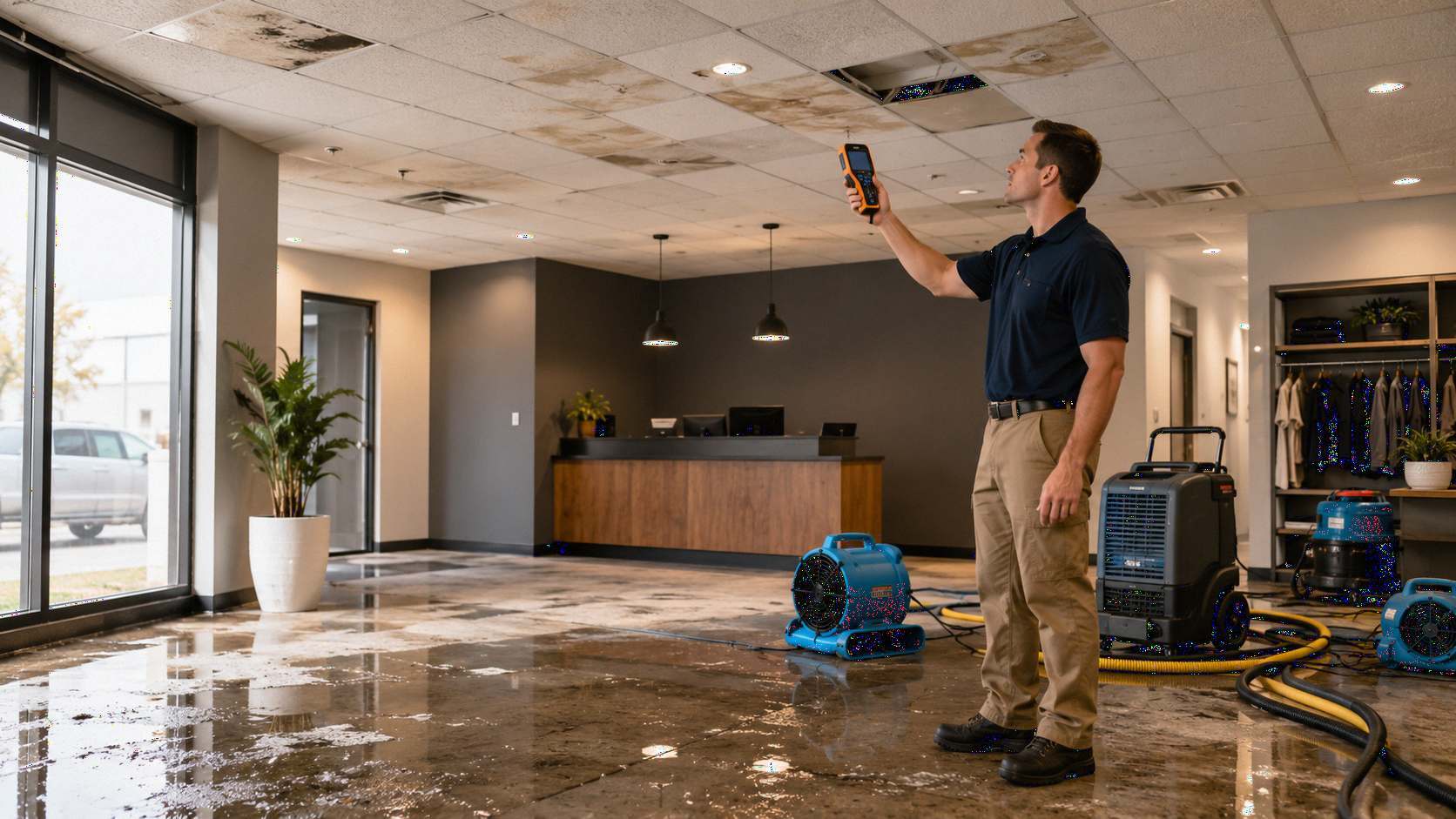
When a crisis strikes your home or business, understanding the specific type of property damage you are dealing with is the first step toward recovery. Whether it is a burst pipe, a kitchen fire, or structural mold growth, professional mitigation teams rely on targeted restoration protocols to salvage your property safely and efficiently.
Water Damage Restoration
Water damage is one of the most common yet destructive property issues, stemming from anything from a malfunctioning washing machine hose to a severe weather event. Professional water mitigation involves rapid extraction, industrial-grade dehumidification, and structural drying to prevent warping and secondary microbial growth. Technicians categorize water by its contamination level—clean water, gray water, or black water—to determine the appropriate sanitization and restoration procedures needed to protect indoor air quality and structural integrity.
Emergency Extraction and Drying
Rapid extraction is the vital first step when dealing with indoor flooding, using heavy-duty pumps and truck-mounted extractors to remove standing water quickly. Following extraction, technicians deploy industrial air movers and high-capacity dehumidifiers strategically throughout the affected space. This specialized drying equipment forces trapped moisture out of subfloors, wall cavities, and foundational materials. Immediate intervention prevents structural warping, weakens mold spore germination cycles, and protects structural integrity.
Contamination Categorization and Sanitization
Restoration professionals must evaluate the source water to determine proper safety protocols. Clean water from supply lines poses different health risks than gray water from appliances or black water from sewage backups. Certified teams apply EPA-registered antimicrobial treatments and specialized sanitization agents to eliminate pathogens, bacteria, and hidden contaminants. This rigorous disinfection process ensures that porous and non-porous surfaces alike are entirely safe for re-entry and daily habitation.
Fire and Smoke Damage Mitigation
A fire event leaves behind complex chemical residues that require specialized cleaning methodologies rather than standard household detergents. Soot, ash, and toxic smoke odors permeate porous building materials, HVAC systems, and personal belongings. Fire restoration specialists use advanced thermal fogging, HEPA vacuuming, and chemical neutralization techniques to clear hazardous residues and restore smoke-damaged framing, drywall, and finishes before structural reconstruction begins.
Soot and Residue Removal
Fires generate complex chemical residues, ash, and oily soot that bond rapidly to walls, ceilings, and personal belongings. Standard household cleaners often smear these stubborn particles or push them deeper into porous surfaces. Restoration specialists utilize specialized chemical sponges, dry-cleaning techniques, and alkaline or acidic detergents tailored to specific building materials. Meticulous cleaning prevents permanent discoloration and etches away harmful acidic compounds before they degrade paint, metal, and polished stone.

Odor Neutralization and Air Scrubbing
Smoke odors stubbornly permeate drywall, insulation, and HVAC ductwork long after active flames are extinguished. Mitigation crews deploy industrial ozone generators, hydroxyl machines, and thermal foggers to penetrate deep into structural pores and neutralize microscopic odor molecules. Simultaneously, HEPA air scrubbers capture airborne soot particles and volatile organic compounds. This multi-layered purification approach completely eliminates lingering smoke smells, restoring fresh, breathable indoor air quality.
Mold Remediation and Air Quality Control
Excess moisture left unaddressed for even 24 to 48 hours frequently leads to mold colonization. Professional mold remediation goes beyond surface cleaning by isolating contaminated zones, utilizing negative air pressure chambers, and safely removing compromised porous materials. Certified technicians then treat the underlying moisture source to ensure spores do not return, protecting the long-term health of occupants and the structural health of the building.
Containment and Negative Pressure
Disturbing a mold colony without proper precautions can send millions of microscopic spores drifting into unaffected areas of the property. Technicians erect heavy-duty polyethylene containment barriers around the affected zone and install negative air machines equipped with HEPA filters. This setup creates continuous negative pressure, ensuring indoor air and airborne spores flow outward through filtration units rather than contaminating clean living spaces or ventilation networks.
Safe Removal and Moisture Correction
Certified remediation specialists carefully bag and discard heavily compromised porous materials such as drywall and insulation that cannot be salvaged. Non-porous surfaces undergo deep antimicrobial scrubbing to eradicate existing colonies at the root. Crucially, teams locate and repair the underlying moisture intrusion point—such as a leaking roof or plumbing failure—ensuring humidity levels drop below threshold levels to permanently stop future mold regrowth.
Storm and Severe Weather Recovery
Severe weather events often inflict multi-faceted destruction, combining high winds, driving rain, fallen trees, and roof breaches. Storm damage restoration requires emergency board-up and tarping services to secure the structure from further exposure. Once secured, teams clear debris, extract standing water, and coordinate comprehensive repairs to restore the property to its pre-loss condition.
Emergency Board-Up and Tarping
Severe storms often leave properties exposed to the elements due to shattered windows, ripped-off siding, or structural roof breaches. Emergency stabilization is the immediate priority to prevent secondary damage from rain, wind-driven debris, and unauthorized trespassers. Crews secure compromised entry points using heavy plywood board-up techniques and install reinforced waterproof tarps over damaged roof decks. This rapid action mitigates further interior destruction while insurance claims are evaluated.
Debris Clearance and Structural Repairs
Once a storm-damaged site is fully secured against weather hazards, large-scale cleanup operations commence to clear fallen trees, shattered glass, and ruined structural elements. Professional contractors evaluate compromised load-bearing framing, foundations, and electrical systems to map out a complete rebuilding plan. Coordinated reconstruction phases then seamlessly transition the property from emergency disaster mitigation back to its original pre-loss aesthetic and functional condition.
Conclusion
Navigating property damage requires prompt, professional intervention tailored to the specific crisis at hand. Whether facing water intrusion, fire residue, hidden mold, or storm destruction, understanding these distinct restoration services ensures your property receives proper care. Partnering with a certified, full-service mitigation contractor guarantees safe handling from emergency stabilization to final reconstruction, protecting your structural investment and restoring long-term peace of mind.