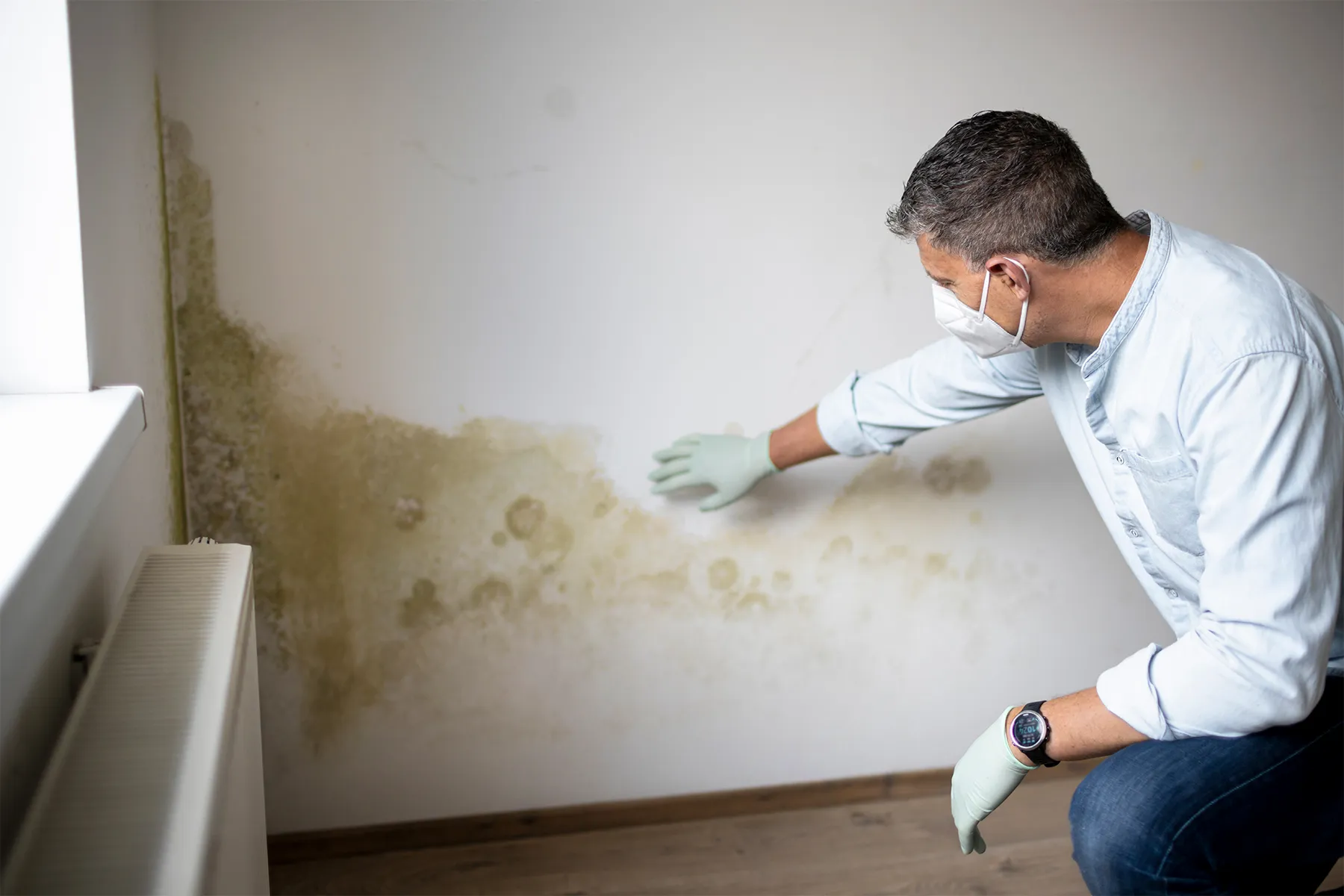
Mold thrives wherever moisture, oxygen, and an organic food source meet. While it can appear anywhere, certain zones in a residential property are significantly more vulnerable due to high humidity, poor ventilation, or hidden leaks. Understanding these high-risk areas is the first step toward effective property protection and maintaining a healthy living environment for your family.
The Basement and Crawl Space
Basements and crawl spaces are prime candidates for mold growth. Because they sit below ground level, they are naturally susceptible to hydrostatic pressure, which forces groundwater through foundation walls and concrete slabs. Combined with poor air circulation, lack of sunlight, and naturally cool temperatures, these subterranean spaces easily trap ambient moisture and foster hidden colonies. Without proper vapor barriers, sump pumps, and continuous dehumidification, damp earth and masonry provide a persistent breeding ground. Over time, spores can migrate upward into the main living areas, affecting indoor air quality and triggering stubborn allergic reactions or respiratory issues for household occupants.
Bathrooms and Wet Areas
Bathrooms deal with intense daily water exposure from high-velocity showers, splashing tubs, and active sinks. When steam, hot water vapor, and high humidity lack a direct escape route through adequate mechanical ventilation or windows, moisture rapidly condenses on cold walls, ceilings, tile grout lines, and caulking. Without proactive drying and regular wiping down of wet surfaces, this constant dampness transforms into stubborn mold and mildew within days. Showers with poor drainage or hidden leaks behind tiled enclosures exacerbate the risk, allowing water to seep deep into drywall and structural framing where it feeds unseen colonies that continuously spread across organic building materials.
Kitchens and Appliance Surrounds
Kitchens harbor several hidden moisture hazards that often go unnoticed until a severe infestation develops. Slow, persistent leaks beneath the kitchen sink, condensation lines from refrigerator water systems, and unsealed gaps behind dishwashers create isolated pockets of high humidity and standing water. Additionally, heavy cooking steam and boiling moisture can settle heavily on upper cabinetry, ceiling corners, and window frames if exhaust hoods are not routinely utilized during meal preparation. Because kitchens are high-traffic zones with ample organic food particles floating in the air, any trapped moisture combined with drywall or wooden cabinetry provides an ideal ecosystem for aggressive mold proliferation and decay.
Attics and Roof Leaks
Attics are frequently overlooked by homeowners because they remain largely out of sight and rarely visited. However, compromised roof shingles, degraded flashing around chimneys, or bathroom exhaust fans venting directly into the open attic space can trap warm, moisture-laden air. This excess humidity collects rapidly on cold roof decking, nails, and fiberglass insulation, sparking widespread and structural mold issues. If left unaddressed, this trapped moisture rots wooden roof trusses and degrades overall structural integrity. Ensuring proper soffit ventilation, ridge vents, and direct exterior ducting for all exhaust fans is vital to keeping attic spaces dry and entirely protected from dangerous spore development.
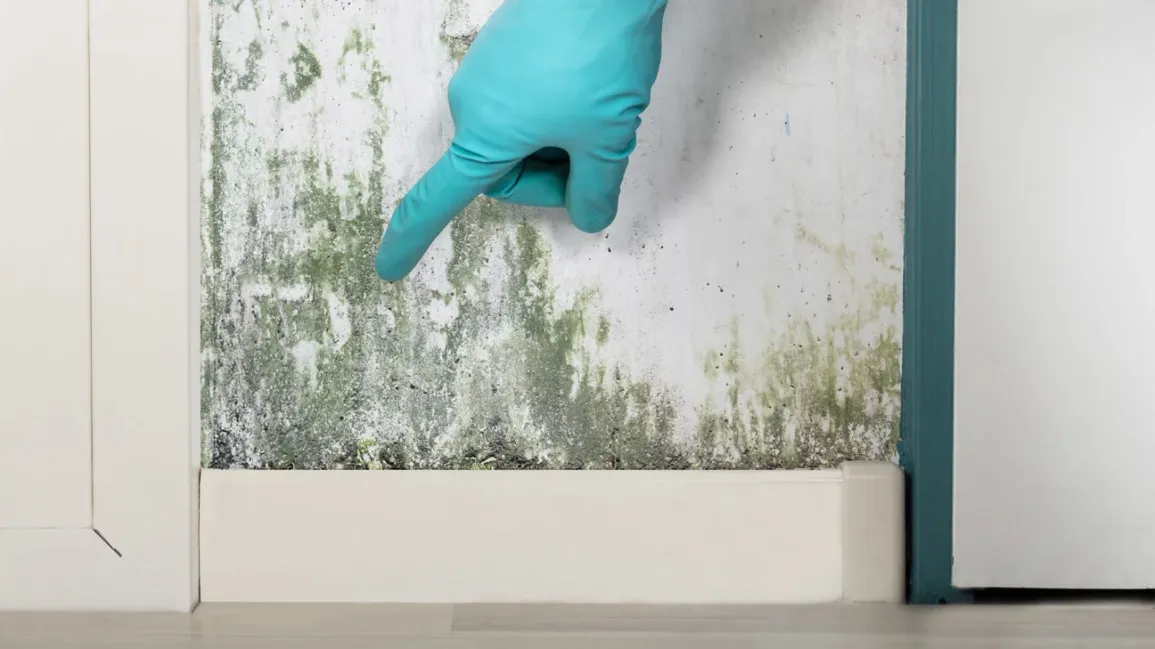
Key Prevention Strategies
Protecting your property requires a proactive approach. Implementing consistent daily habits, routine physical inspections, and proper environmental controls stops moisture in its tracks, preventing costly remediation and keeping your living spaces safe, clean, and entirely free from hazardous mold growth year-round.
Fix Leaks Promptly
Address plumbing drips, window seals, and roof leaks within 24 to 48 hours. Fast action stops dormant spores from activating and multiplying inside structural walls, safeguarding your valuable building materials from rot, decay, and extensive moisture damage.
Optimize Ventilation
Always run mechanical exhaust fans during and for twenty minutes after cooking or showering. Effective airflow swiftly pulls ambient steam and heavy humidity out of enclosed living spaces, eliminating the condensation needed for mold colonies to form.
Control Humidity
Maintain indoor humidity levels strictly below 50% using whole-home air conditioners or portable dehumidifiers. Balanced moisture levels create an inhospitable environment for spores, protecting your health and preserving your home’s structural integrity against long-term dampness.
Inspect Hidden Zones
Periodically check behind major appliances, under sinks, and inside damp crawl spaces for early warning signs. Regular visual sweeps help catch minor moisture accumulation before it evolves into a massive, disruptive mold infestation requiring professional intervention.
Conclusion
Protecting your home from mold damage requires constant vigilance and proactive maintenance. By monitoring high-risk areas like basements, bathrooms, kitchens, and attics, you can catch moisture problems before they escalate. Implementing simple habits—such as fixing leaks quickly, optimizing ventilation, and controlling indoor humidity—ensures a safe, dry, and healthy living environment. Safeguarding your property today preserves its structural integrity and protects your family's well-being for years to come.