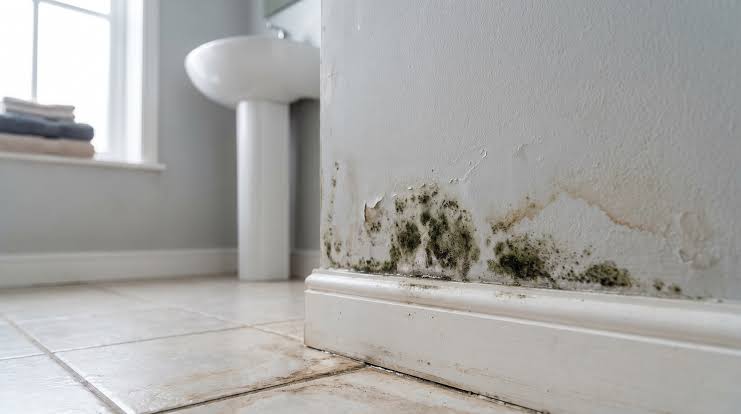
Few home emergencies are as stressful as water damage. Whether it is a burst pipe, a leaking roof, or a flooded basement, dealing with standing water is a race against the clock. But beyond structural warping and ruined flooring, property owners face another silent, fast-moving threat: mold.
If you are wondering how much time you have to clean things up, the answer might surprise you. Here is a breakdown of how quickly mold can develop after water damage and what you can do to stop it in its tracks.
The Short Answer: 24 to 48 Hours
Under the right conditions, mold can begin to grow and colonize within 24 to 48 hours of a water incident. Spores are naturally present in the air everywhere around us, lying dormant until they encounter moisture, warmth, and an organic food source (like drywall, wood, or carpet).
When a flood or leak introduces moisture into your home, those dormant spores activate rapidly. Within just a couple of days, visible colonies can form, spreading across porous surfaces and releasing millions of new spores into your indoor air.
The Timeline of Water Damage and Mold Growth
To understand why quick action is vital, it helps to look at how a typical timeline unfolds:
0 to 24 Hours (The Critical Window)
This is the most critical timeframe for effective water damage mitigation. Standing water begins soaking deeply into porous materials like drywall and carpet padding. If you extract standing water, remove soaked items, and begin professional drying immediately within this window, you can often prevent mold from ever starting.
24 to 48 Hours
During this window, microscopic mold spores germinate and begin active colonial growth. While large patches may not be visible yet, a distinct musty odor often appears. Invisible colonies are already developing deep inside wall cavities and structural materials, making prompt air circulation and dehumidification essential.
48 to 72 Hours
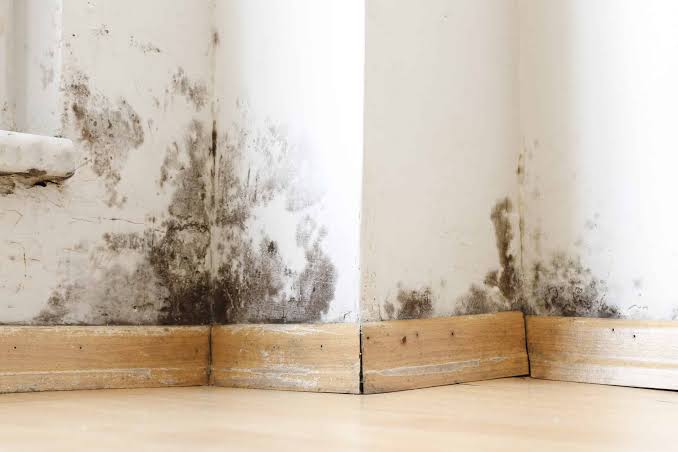
Active mold growth accelerates rapidly during these days. Discoloration, fuzzy patches, and visible dark or white staining begin breaking through on walls, ceilings, and textiles. The infestation is now firmly established, requiring specialized containment and cleaning techniques to prevent further spread throughout your property's indoor environment.
1 Week and Beyond
By this stage, the mold infestation becomes deeply rooted and extensive. Spores spread widely through your HVAC system and indoor air, significantly lowering air quality and triggering health concerns like allergies and respiratory issues. Professional remediation, structural material removal, and HEPA vacuuming are required to restore safety.
Factors That Accelerate Mold Growth
Not all water damage results in rapid mold outbreaks. Several key environmental factors dictate just how fast mold takes root:
Temperature
Mold thrives in warm environments, with growth accelerating rapidly between 70°F and 90°F. While extreme cold slows down activity, it rarely kills spores. Once temperatures rise back into this ideal comfort zone, dormant mold immediately reactivates, resuming its destructive spread across damp building materials.
Humidity
Indoor humidity levels consistently exceeding 60% create an ideal breeding ground for airborne spores. High moisture content in the air prevents wet materials from evaporating naturally, maintaining the continuous hydration mold needs to germinate, colonize, and spread aggressively throughout your home or business property.
Porous Materials
Drywall, wood, insulation, and carpeting are rich in cellulose, serving as primary food sources for mold. Because these materials absorb water deeply and retain it for extended periods, they provide both the moisture and nutrients required for rapid, destructive fungal colonization following a water event.
Lack of Air Circulation
Stagnant air in sealed rooms, basements, or crawlspaces traps high levels of humidity against surfaces. Without proper airflow or ventilation, moisture lingers indefinitely. This lack of air movement accelerates spore germination, turning slow-drying areas into high-risk zones for severe, hidden mold infestations.
Early Warning Signs of Mold
Because mold can grow behind walls, under flooring, or inside HVAC ducts, it isn't always immediately visible. Keep an eye out for these early warning signs after a leak or flood:
A Musty, Earthy Odor
A damp, stale smell is often your first warning sign that mold is growing out of sight. Even if you cannot see any visible patches, this characteristic earthiness indicates active fungal growth behind walls, beneath flooring, or inside your HVAC system that requires immediate investigation.
Discoloration or Staining
Keep a close eye out for dark spots, yellowing rings, or fuzzy white patches appearing on walls, baseboards, and ceilings. These visual blemishes indicate that moisture has settled and mold colonies have broken through the surface, signaling an underlying infestation that needs professional remediation.
Peeling Paint or Wallpaper
Trapped moisture behind walls creates pressure that causes paint to bubble, crack, or flake off entirely. Similarly, dampness loosens adhesive, causing wallpaper to warp and peel away from the surface. This structural distress almost always points to hidden moisture and developing mold growth behind your walls.
Unexplained Health Symptoms
If you or your family members experience sudden, unexplained sneezing, coughing, watery eyes, or skin irritation while indoors, it may point to poor air quality. Airborne mold spores and mycotoxins circulating through your home can trigger these allergic reactions and respiratory flare-ups, requiring urgent property inspection.
How to Protect Your Property?
The best defense against mold is rapid, thorough water mitigation. If your home has suffered water damage, take these steps immediately:
Stop the Source
Before beginning any cleanup, immediately shut off the main water valve or address structural leaks to stop the continuous influx of new water. Eliminating the source prevents further saturation of your building materials, ensuring your subsequent drying and mitigation efforts are actually effective and long-lasting.
Extract Standing Water
Swiftly remove all pooling water using wet-dry vacuums, mops, or submersible pumps. Getting rid of standing liquid immediately eliminates the primary hydration source for mold spores, drastically reducing the window of opportunity for fungal colonies to germinate and spread throughout your living spaces.
Circulate the Air
Set up heavy-duty industrial fans and high-capacity dehumidifiers to maintain continuous airflow and drop indoor humidity below 50 percent. Aggressive air circulation accelerates evaporation, pulling trapped moisture out of carpets, subfloors, and walls before mold can take root in damp, vulnerable areas.
Call the Professionals
For significant water damage, DIY methods are rarely enough to stop hidden mold. Certified restoration experts utilize advanced thermal imaging, moisture meters, and commercial drying equipment to treat wall cavities and structural elements safely, protecting your property's long-term health and preventing costly structural decay.
Conclusion
Mold growth after water damage is a race against time, often starting within 24 to 48 hours. By understanding the timeline, identifying early warning signs, and controlling environmental factors like humidity, you can protect your property. However, acting fast is crucial. When faced with severe water intrusion, relying on professional restoration services ensures complete structural drying, stopping hidden mold in its tracks and keeping your indoor environment safe.