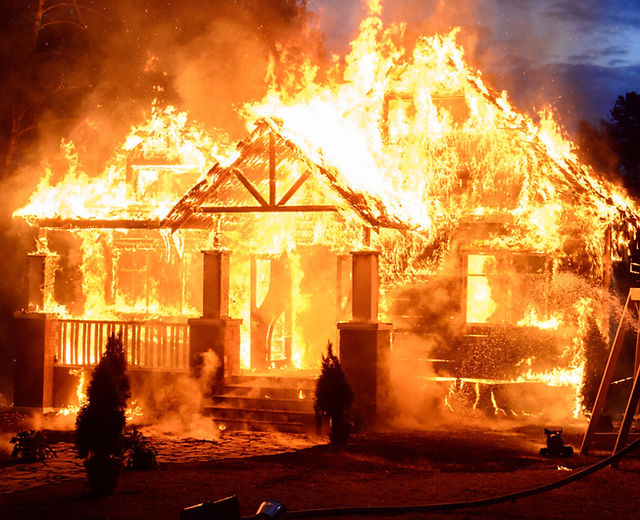
The minutes and hours following a house fire are often a blur of shock and relief. Once the flames are out and the fire department departs, many homeowners assume the primary danger has passed.
However, the clock is still ticking. The first 24 to 48 hours are known as the "golden hours" of recovery. Delaying the restoration process doesn’t just slow down your return to normalcy; it can lead to permanent damage and skyrocketing costs.
Here is why immediate fire restoration is non-negotiable for your home and your health.
Preventing Permanent Soot and Smoke Damage
Fire doesn’t just burn; it creates chemical reactions. Soot is acidic, and smoke is incredibly invasive. Within hours, these elements begin to settle on surfaces throughout your home—even in rooms untouched by flames.
Discoloration
Within minutes of a fire, soot and ash settle on surfaces, initiating a chemical reaction that leads to permanent staining. Porous materials like marble, granite, and plastic are particularly vulnerable, absorbing acidic residues that cause unsightly yellowing or graying. If these surfaces aren't professionally cleaned immediately, the discoloration becomes deeply embedded. Acting fast prevents your expensive countertops and appliances from sustaining irreparable aesthetic damage that diminishes your home’s overall value.
Corrosion
Smoke is highly acidic and incredibly invasive, drifting into tiny crevices to wreak havoc on metal surfaces. Within hours, this acidity begins to etch into chrome, brass, and stainless steel, leading to pitting and rust. Beyond fixtures, corrosion can destroy the delicate circuitry of your home electronics and kitchen appliances. Rapid restoration neutralizes these corrosive residues, saving you from the massive expense of replacing your entire electrical system and high-end metal finishes.
Textiles
Soot is composed of tiny, oily particles that cling stubbornly to fibers. If left untreated, these acidic particles "set" into carpets, curtains, and upholstery, causing permanent staining and a lingering acrid odor. Walking on soot-covered rugs only pushes the debris deeper into the backing, making professional salvage nearly impossible. Immediate intervention by fire restoration experts ensures that your valuable clothing and furniture are treated with specialized detergents before the damage becomes permanent.
Guarding Against Structural Collapse
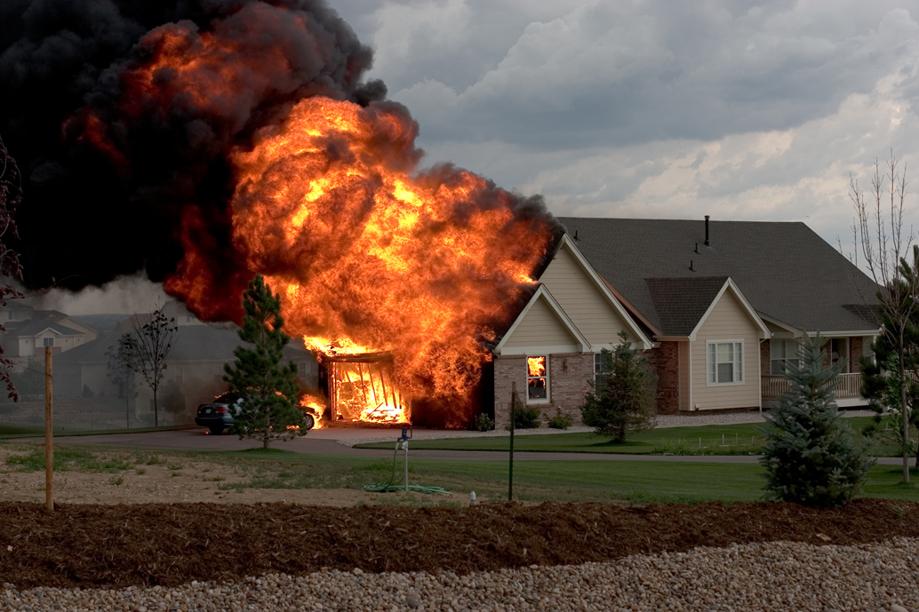
A fire can compromise the skeleton of your home in ways that aren't visible to the naked eye. Support beams, floor joists, and wall studs may be charred or weakened.
Professional restoration teams perform an immediate structural assessment. By boarding up windows and reinforcing weakened structures right away, you prevent the risk of a roof collapse or wall failure that could occur days after the fire is out.
Controlling Secondary Water Damage and Mold
While water is essential for extinguishing flames, it introduces a second wave of destruction. If not addressed immediately, moisture seeps into subfloors and wall cavities, compromising your home's integrity. Rapid mitigation involves professional-grade extraction and industrial drying to prevent long-term structural rot and the hazardous health risks associated with damp environments.
Standing Water
After a fire is out, hundreds of gallons of water often remain trapped in carpets, floorboards, and drywall. This standing water doesn't just sit; it migrates. It travels through electrical conduits and settles in low points, weakening the foundation and damaging materials that the fire never touched. Professional restoration teams use high-powered sub-surface extractors to remove this moisture before it can cause permanent warping, buckling, or electrical hazards that further delay your recovery.
Mold Growth
Mold is an opportunistic silent threat that thrives in the humid aftermath of a fire. It requires only 24 to 48 hours of moisture to begin colonizing porous materials like drywall and insulation. Once established, mold spores spread through your HVAC system, posing significant respiratory risks and inflating restoration costs. Immediate dehumidification and antimicrobial treatments are critical to stopping an infestation before it starts, ensuring your home remains a safe, breathable environment.
Improving Indoor Air Quality and Health
The "smell of smoke" isn't just an odor—it’s a cocktail of carbon, tar, and toxic chemicals from burnt plastics and synthetic materials. Lingering soot particles are small enough to enter the lungs, causing respiratory issues, especially for children, the elderly, or those with asthma.
Professional restorers use HEPA air scrubbers and thermal fogging to neutralize odors and clear the air at a molecular level, making the home safe to breathe in again.
Streamlining the Insurance Claims Process
Insurance companies prefer proactive homeowners. By calling a restoration company immediately, you demonstrate that you are taking steps to mitigate further loss.
A restoration partner provides:
Detailed documentation of the damage.
A clear inventory of lost items.
Professional estimates that help speed up your claim approval.
Final Thoughts
A house fire is devastating, but the recovery process doesn't have to be a second disaster. Acting fast protects your investment, your heirlooms, and your family's health.
Pro Tip: Never attempt to clean soot or smoke damage with household cleaners. You may accidentally smear the oils deeper into the surface, making it impossible for professionals to restore later.