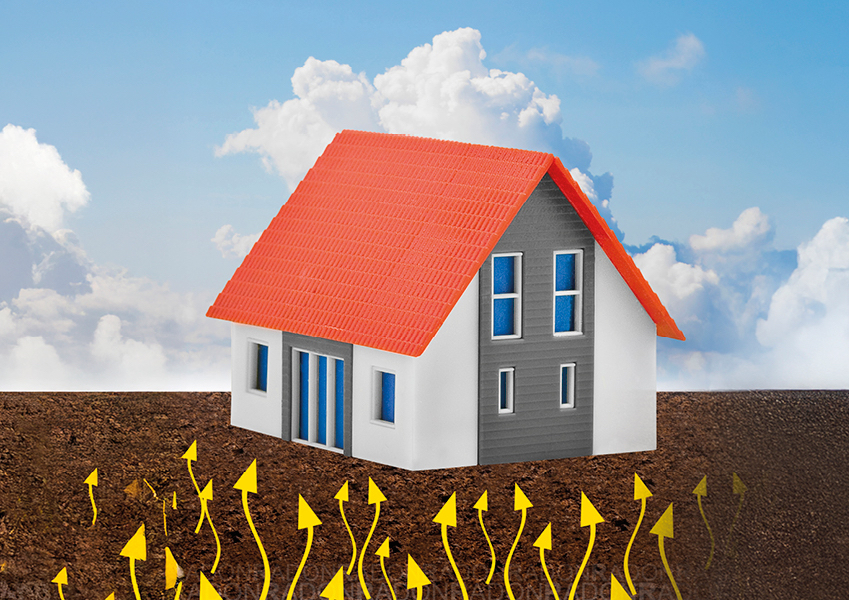
When we think about indoor air pollution, we usually picture dust, pet dander, or chemical fumes from cleaning supplies. However, one of the most significant threats to your home's air quality is completely invisible, odorless, and tasteless: Radon gas.
Understanding how this gas enters your home and the mechanics of mitigation is essential for any homeowner concerned about long-term health.
What is Radon and How Does it Enter?
Radon is a naturally occurring radioactive gas produced by the breakdown of uranium in soil, rock, and water. While it dissipates harmlessly outdoors, it becomes a major health hazard when trapped inside a building.
The "Stack Effect" is the primary reason radon enters homes. As warm air rises and escapes through upper floors or the roof, it creates a vacuum in the lower levels. This vacuum pulls radon gas from the soil through:
Cracks in solid floors and walls.
Construction joints.
Gaps around service pipes.
Sump pumps and drains.
The Impact on Indoor Air Quality (IAQ)
Radon doesn't just "sit" in the air; it decays into tiny radioactive particles. When inhaled, these particles can damage the cells lining the lungs.
Leading Cause of Lung Cancer
Radon gas is the primary cause of lung cancer among non-smokers and the second leading cause overall, trailing only tobacco use. When inhaled, radioactive radon decay products trap themselves in the lungs, releasing small bursts of energy that damage DNA. This cellular destruction can lead to malignant tumors over time, resulting in approximately 21,000 lung cancer deaths annually.
Cumulative Risk
Unlike pollutants that cause immediate allergic reactions, radon poses a chronic health threat. The danger is defined by cumulative risk—the total exposure accumulated over years of living in a high-radon environment. Because there are no warning symptoms like coughing or headaches, homeowners often remain unaware of the invisible damage occurring, making long-term exposure a silent but steady internal threat.
Synergistic Effect
The "Synergistic Effect" occurs when radon exposure and cigarette smoke combine to create a health risk far greater than the sum of their individual parts. While radon is dangerous alone, its particles latch onto smoke molecules, which are then inhaled deeper into the lung tissue. This interaction multiplies the probability of cellular mutation, drastically increasing cancer rates for smokers.

How Radon Mitigation Works?
If a test reveals radon levels above 4.0 pCi/L (picocuries per liter), mitigation is highly recommended. The most effective method is Active Soil Depressurization (ASD).
The Process of Mitigation
Radon mitigation primarily utilizes Sub-Slab Depressurization (SSD) to redirect gas before it enters your living space. By creating a vacuum beneath the foundation, the system collects radon from the soil and vents it safely outdoors. This transition from high-pressure soil to a low-pressure vacuum is the gold standard for reduction.
Suction Pit
The process begins by drilling a hole through the concrete slab to create a suction pit. By removing several gallons of soil from beneath the floor, technicians create an open cavity. This "pressure field extension" allows the vacuum to pull air from the entire footprint of the home effectively.
PVC Piping
Once the pit is prepared, a network of specialized PVC piping is installed. These pipes act as a sealed highway for the trapped gas, running from the basement through the interior or along the exterior wall. Every joint is chemically welded to ensure the radioactive gas remains contained until exit.
Radon Fan
The heart of the system is the radon fan, typically installed in the attic or outside the home. This fan runs 24/7, maintaining a constant upward draw. Modern fans are designed for high efficiency and quiet operation, ensuring that the vacuum beneath your home is never interrupted or compromised.
Venting
Finally, the system terminates in a vertical vent stack. This pipe must extend above the roofline, away from windows and doors, to prevent re-entrainment. Once released, the concentrated radon gas rapidly dilutes in the outdoor air to harmless levels, permanently lowering your home’s internal radon score.
Benefits of a Mitigation System
Beyond the obvious life-saving health benefits, a professional radon mitigation system offers:
Lower Humidity
An often-overlooked secondary benefit of active soil depressurization is the significant reduction in indoor humidity. Because the radon fan continuously pulls air and moisture from beneath the concrete slab, it effectively intercepts ground dampness before it can permeate your basement or crawl space. This creates a dryer, crisper environment that prevents mold growth, eliminates musty "basement smells," and protects your home’s structural integrity from wood rot and condensation.
Increased Property Value
In today’s real estate market, a radon mitigation system is a powerful selling point. Most modern home inspections include mandatory radon testing, and high levels can derail a sale or force expensive last-minute credits. By proactively installing a certified system, you provide documented proof of a safe living environment. This "move-in ready" status builds buyer confidence, streamlines the closing process, and ensures your property stands out in a competitive landscape.
Peace of Mind
The greatest advantage of professional radon mitigation is the psychological relief it provides. Knowing that an invisible, cancer-causing gas is being actively vacuumed out of your home allows you to enjoy your living space without health anxieties. With a visible U-tube manometer installed to monitor the system's vacuum pressure at a glance, you receive constant, silent confirmation that your family is breathing the cleanest, safest air possible every single day.
Conclusion
Prioritizing indoor air quality is essential for a healthy home, and addressing radon is the most critical step. By understanding the risks and implementing a professional mitigation system, you effectively neutralize this silent threat. Don’t leave your family’s safety to chance—test your home today and breathe easier knowing you’re protected.