
Discovering water damage in your home or business is overwhelming. Whether it’s a burst pipe, a leaking roof, or natural flooding, the clock is ticking. Professional water damage restoration isn't just about mopping up a mess; it’s a scientific process designed to salvage property and prevent long-term structural issues or mold growth.
Here is the comprehensive, step-by-step breakdown of how the experts restore your property to its pre-loss condition.
Phase 1: Emergency Contact and Inspection
The restoration process begins with an immediate emergency call to trigger a rapid response. Professionals conduct a thorough onsite inspection using thermal imaging and moisture meters to map hidden water. This critical phase determines the damage scope, categorizes the water source, and establishes a customized plan to stabilize your property quickly.
Assessment and Damage Categorization
Upon arrival, technicians perform a detailed inspection to determine the scope of the damage. They categorize the water source:
Category 1 (Clean Water)
Category 1 refers to water from sanitary sources, such as broken supply lines, tub overflows, or falling rainwater. While initially "clean," this water can quickly degrade into more hazardous categories if left untreated. Prompt extraction is vital to prevent structural saturation and stop the progression toward mold or bacterial growth.
Category 2 (Gray Water)
Gray water contains significant contamination and has the potential to cause discomfort or illness if ingested. Common sources include discharge from dishwashers, washing machines, or punctured water beds. Because it contains chemical or biological nutrients, professional sanitization is required to ensure the environment is safe for inhabitants and pets.
Category 3 (Black Water)
Black water is highly unsanitary, containing pathogenic agents from sewage, rising floodwaters, or stagnant debris. This category poses a severe health risk and requires specialized hazardous material handling. Professionals must use industrial-grade antimicrobials and rigorous PPE to safely remove contaminants and restore the structural integrity of the affected area.
Phase 2: Water Removal and Extraction
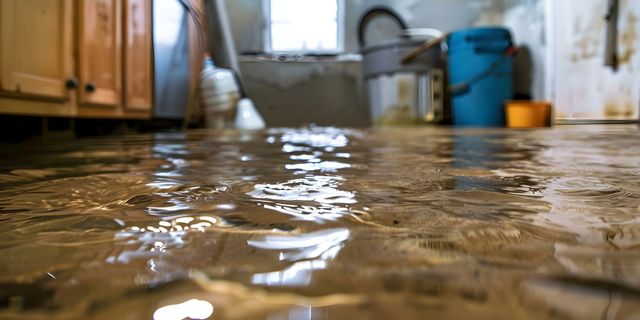
Once the inspection is complete, technicians initiate rapid water extraction to halt further property damage. This stage focuses on removing standing water using heavy-duty equipment. By extracting liquid water efficiently, professionals significantly reduce drying times, prevent secondary moisture damage, and lower the risk of mold colonies forming in porous materials.
Industrial Pumps
Industrial pumps are the first line of defense against high-volume flooding. These high-capacity units are designed to move thousands of gallons of water per hour from basements or crawlspaces. Their rapid discharge capability is essential for stabilizing the structure before technicians can begin the more detailed moisture extraction process.
Truck-Mounted Vacuums
Truck-mounted vacuums provide the heavy-duty suction necessary to pull deep-seated water from carpets, upholstery, and thick padding. Powered by the vehicle’s engine, these systems offer far superior performance compared to portable units. This level of power ensures that the maximum amount of moisture is removed during the initial extraction phase.
Submersible Pumps
Submersible pumps are specialized tools used when water levels are significantly deep, such as in flooded basements. These pumps operate underwater, pushing liquid out through discharge hoses. They are critical for handling continuous water intrusion and ensuring that standing water is cleared quickly so that drying equipment can be deployed.
Phase 3: Drying and Dehumidification
After extracting standing water, moisture remains trapped within structural materials like drywall and wood. Phase 3 focuses on deep drying to prevent warping and mold. Professionals use high-velocity air movers and industrial dehumidifiers to stabilize the environment, ensuring the building's "dry standard" is met before any reconstruction begins.
High-Velocity Air Movers
High-velocity air movers are strategically positioned to create a continuous vortex of airflow across wet surfaces. This rapid air movement accelerates the evaporation of moisture from floors, walls, and furniture. By constantly replacing saturated air with drier air, these units significantly shorten the overall restoration timeline.
Industrial-Grade Dehumidifiers
As air movers turn liquid water into vapor, industrial-grade dehumidifiers capture that moisture from the air. These powerful machines prevent secondary water damage, such as "sweating" walls or mold growth on ceilings. By maintaining low humidity levels, they ensure that deep structural elements dry thoroughly and safely.
Phase 4: Cleaning and Sanitizing
Once the structure is dry, professionals focus on deep cleaning and sanitization to eliminate health risks. This phase removes contaminants, bacteria, and potential mold spores from all surfaces. Using industrial-grade solutions, technicians ensure your environment is not only dry but medically safe and free from lingering "musty" odors.
Antimicrobial Treatments
Antimicrobial treatments are applied to prevent the growth of mold, mildew, and harmful bacteria. These specialized solutions penetrate porous materials that were previously saturated, providing a protective layer against future fungal development. This step is essential for ensuring long-term indoor air quality and protecting the health of the occupants.
Odor Removal
Water damage often leaves behind persistent, unpleasant smells from stagnant moisture or bacteria. Professionals use advanced equipment like air scrubbers or ozone generators to neutralize these odors at the molecular level. This process goes beyond masking scents, ensuring your home smells fresh and clean once the restoration is complete.
Contents Restoration
Contents restoration involves cleaning and salvaging personal belongings affected by water or humidity. This includes "soft goods" like clothing and upholstery, as well as documents and electronics. Using specialized dry-cleaning or ultrasonic methods, professionals can often save cherished items that might otherwise be considered a total loss.
Phase 5: Restoration and Reconstruction
The final step is returning your home to its original state. This can range from minor repairs to major reconstruction.
Minor Restoration | Major Reconstruction |
Replacing individual floor tiles | Full carpet and padding replacement |
Patching small drywall holes | Replacing entire walls or subfloors |
Repainting affected areas | Structural rebuilding of rooms |
Why You Shouldn't DIY Water Restoration?
Attempting DIY water restoration often leads to hidden structural damage and hazardous mold growth. Professional restorers use industrial-grade equipment and moisture-detection technology that household tools simply cannot match. Engaging experts ensures your property is dried to scientific standards, protecting your long-term health and your home’s total market value.
Hidden Moisture Detection
While surfaces may feel dry to the touch, moisture often remains trapped inside wall cavities, subfloors, and insulation. Professionals use infrared cameras and penetrating moisture meters to locate these hidden pockets. Without this technology, DIY efforts frequently miss deep-seated dampness that eventually causes structural rot and invisible mold.
Professional Equipment
Consumer-grade shop vacuums and household fans lack the power to pull moisture from deep within building materials. Professional high-velocity air movers and LGR (Low Grain Refrigerant) dehumidifiers are designed to remove gallons of water vapor per hour. This industrial strength is necessary to achieve the rapid evaporation required for safety.
Insurance Coordination
Navigating insurance claims for water damage is notoriously complex and time-sensitive. Professionals provide the comprehensive documentation, moisture readings, and photo evidence required by adjusters to process claims fairly. Their expertise ensures that the scope of work is fully covered, preventing you from paying thousands in out-of-pocket repair costs.
Final Thoughts
Water damage is a race against time where every hour matters for your property’s structural integrity. By following a professional, step-by-step restoration process—from emergency extraction to final reconstruction—you ensure your home is not just dry, but safe and mold-free. Don’t risk hidden rot or health hazards with DIY methods. Trusting certified experts protects your investment, secures your insurance claims, and restores your peace of mind quickly.