
You can’t see it, smell it, or taste it, but it could be the most dangerous guest in your home. We’re talking about radon gas.
According to the EPA, radon is the leading cause of lung cancer among non-smokers. The good news? It is entirely manageable through a process called radon mitigation. In this blog, we’ll break down how these systems work and why testing your home shouldn't be moved to the bottom of your to-do list.
What is Radon Mitigation?
Radon mitigation is any process or system used to reduce radon gas concentrations in the breathing zones of occupied buildings.
Because radon enters a home through the soil—seeping through foundation cracks, construction joints, or gaps around service pipes—mitigation systems are designed to intercept this gas and vent it safely outside before it ever enters your living space.
How a Typical Mitigation System Works?
The most common method is Sub-Slab Depressurization (SSD). Here is the basic anatomy of the system:
Suction Pit
A suction pit is the foundation of sub-slab depressurization. Technicians drill through the concrete floor to create a small cavity in the underlying soil. This "collection point" allows the system to gather rising radon gas before it enters your home.
PVC Piping
High-quality PVC piping serves as the closed-loop highway for radioactive gas. Starting at the suction pit, these pipes create a vacuum seal that channels radon away from your living spaces, ensuring no toxic vapor leaks back into the basement.
Radon Fan
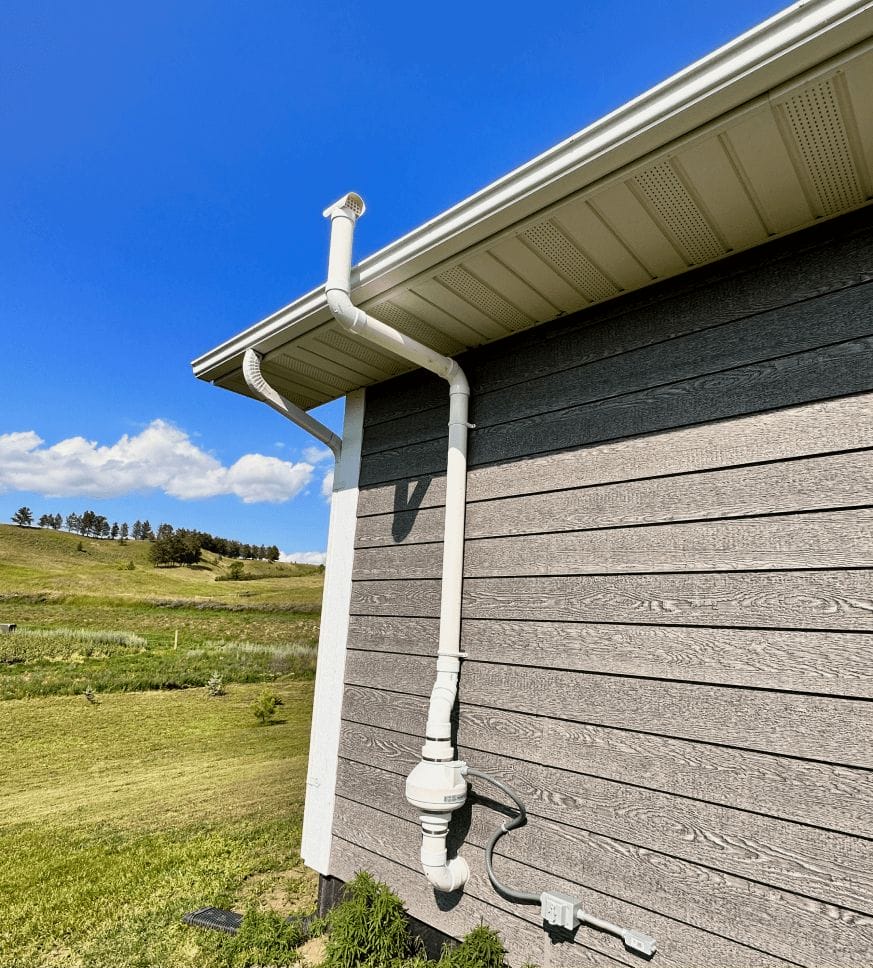
The radon fan is the engine of the entire system. Mounted externally or in the attic, it runs continuously to maintain a constant vacuum. This pressure differential ensures that soil gases are always being pulled upward and away from occupants.
Vent Stack
The vent stack is the final exit point for the system. Extending above the roofline, it safely releases the concentrated radon into the outside air. Here, the gas is rapidly diluted by the atmosphere, rendering it completely harmless to humans.
Why Every Homeowner Should Care?
Ignoring radon is a gamble with your family’s long-term health. As an invisible, odorless radioactive gas, it accumulates silently in living spaces, regardless of a home's age or location. Understanding mitigation isn't just about property maintenance; it is a vital step in proactive wellness and ensuring your indoor air is safe.
The Health Risks are Real
Radon is far more than a simple environmental nuisance; it is a significant carcinogen. When radon gas decays, it releases radioactive particles that, when inhaled, damage the DNA within your lung cells. This cellular damage is the leading cause of lung cancer among non-smokers, claiming over 20,000 lives annually. Because symptoms often don't appear until the damage is advanced, mitigation is your only effective line of defense.
Modern Homes Aren't Immune
There is a dangerous misconception that newer homes are "too tight" for radon to enter. In reality, modern construction techniques designed for energy efficiency can actually exacerbate the problem. By sealing a home to prevent energy loss, builders inadvertently create a "vacuum effect" that traps soil gases inside. Without a dedicated mitigation system, these highly efficient structures can concentrate radon to toxic levels much faster than older, draftier houses.
Protecting Your Home’s Value
Beyond health, radon levels are a critical factor in real estate liquidity. Most modern home buyers require a radon test as a contingency in the purchase agreement. If your home tests high during a sale, it can lead to aggressive price negotiations or even cause the deal to collapse entirely. By installing a mitigation system now, you secure your equity and provide proof of a safe environment for any future buyers.
How Do I Know if I Need Mitigation?
The only way to know is to test. The EPA recommends taking action if your radon levels are at or above 4.0 pCi/L (picocuries per liter).
Radon Level | Action Required |
0.0 - 2.0 pCi/L | Considered low; retest every 2 years. |
2.0 - 3.9 pCi/L | Consider mitigation; seek ways to reduce levels. |
4.0 pCi/L and above | Mandatory Action: Contact a certified radon professional. |
Conclusion
Radon is a silent threat, but it is one with a permanent solution. By investing in a professional mitigation system, you eliminate the guesswork and protect your family from the leading cause of non-smoker lung cancer. Don’t wait for a real estate transaction to prioritize your air quality—test your home today and breathe easier knowing your environment is safe.