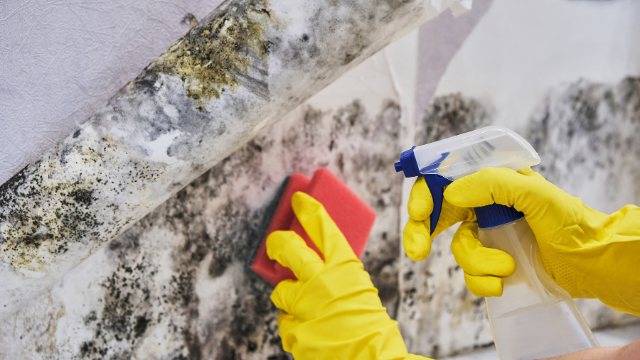
Finding fuzzy black or green patches in your basement is enough to make any homeowner stress. Once the initial shock wears off, you start searching for solutions and run into two different terms: mold removal and mold remediation.
While they sound like the same thing, the difference between them is crucial for your home’s health (and your wallet). In this blog, we’ll break down why "removing" mold is actually a myth and why "remediation" is the gold standard for a safe home.
The Myth of "Mold Removal"
Let's clear the air: total mold removal is impossible.
Microscopic mold spores exist naturally almost everywhere—both indoors and outdoors. They float through open doors, windows, and HVAC systems. Because mold is a natural part of our ecosystem, any company promising to "remove 100% of mold" is likely overpromising.
When people talk about mold removal, they are usually referring to the physical act of cleaning visible mold off surfaces. While this is a step in the process, it doesn’t address the root of the problem.
What is Mold Remediation? (The Real Solution)
Mold remediation is a comprehensive process designed to get mold levels back to a natural, "safe" baseline. Instead of just scrubbing the surface, remediation focuses on containment and prevention.
The goal of remediation is to:
Identify the moisture source.
Contain the affected area.
Filter the air.
Remove mold-damaged materials.
Treat the area to prevent future growth.
Key Differences at a Glance
Feature | Mold Removal | Mold Remediation |
Primary Goal | Cleaning visible spots. | Returning mold to safe levels. |
Scope | Surface-level cleaning. | Structural and environmental fix. |
Root Cause | Often ignored. | Identifies and fixes moisture/leaks. |
Equipment | Household cleaners/scrubs. | HEPA filters, air scrubbers, dehumidifiers. |
Long-term Success | Low (mold often returns). | High (addresses the environment). |
The 5-Step Mold Remediation Process
If you hire a professional remediation team, here is the standard protocol they should follow:
Assessment and Inspection
The remediation process begins with a comprehensive professional assessment to determine the full scope of the infestation. Unlike a simple DIY "spot check," experts use specialized tools like moisture meters and thermal imaging cameras to detect moisture trapped behind drywall, under floorboards, or within insulation. This stage identifies the mold species and measures the concentration of spores in the air. By mapping out the "moisture footprint," technicians can create a customized remediation plan. Without a thorough inspection, you risk treating only the visible symptoms while leaving hidden colonies to continue damaging your home’s structural integrity.
Containment
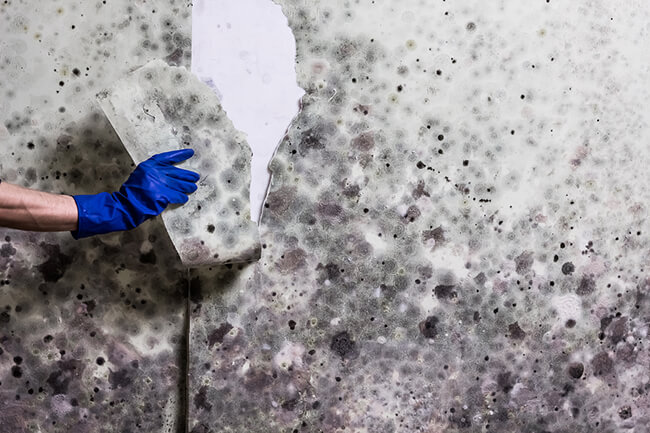
Effective containment is the "buffer zone" that protects the rest of your home from cross-contamination. When mold is disturbed during cleaning, it releases millions of microscopic spores into the air. To prevent these spores from migrating to unaffected rooms, professionals use heavy-duty polyethylene sheeting to seal off the work area. They often implement negative air pressure using specialized vacuum systems, ensuring that air only flows into the containment zone and never out. This rigorous isolation is what separates professional remediation from basic cleaning, as it ensures the problem doesn't simply relocate to your living room or kitchen.
Air Filtration
During the remediation process, the air inside the containment zone can become thick with invisible spores and dust. To manage this, technicians utilize industrial-grade HEPA (High-Efficiency Particulate Air) scrubbers and vacuums. These machines are capable of capturing 99.97% of particles as small as 0.3 microns, effectively "scrubbing" the air clean. This step is vital for the safety of the technicians and the eventual occupants of the home. By constantly cycling the air through these high-efficiency filters, the team reduces the spore count to a natural, safe level, preventing the mold from settling back onto cleaned surfaces.
Cleaning and Sanitization
Once the area is contained and the air is being filtered, the physical cleanup begins. Non-porous surfaces like metal, glass, and tile are treated with specialized antimicrobial and biocide solutions to kill active colonies. However, porous materials—such as drywall, carpeting, and upholstered furniture—that have been deeply penetrated by mold often cannot be saved and must be carefully removed and discarded. Following the removal of infested materials, the remaining structures are deep-cleaned and deodorized. This ensures that no "food sources" remain for future spores and that the lingering "musty" odor is completely neutralized.
Addressing the Moisture Source
The final and most critical step in any remediation project is identifying and fixing the underlying moisture source. Mold cannot survive without water; if you clean the mold but ignore a leaky pipe, high humidity, or a foundation crack, the infestation will return. Experts evaluate the home’s drainage, ventilation, and plumbing to ensure the environment is no longer hospitable to fungal growth. This might involve installing a dehumidifier, repairing roof flashing, or improving crawlspace ventilation. Addressing the root cause is the only way to transform a temporary fix into a long-term solution for a healthy home.
Which One Do You Need?
Use Mold Removal (DIY) If
The mold is on a non-porous surface (like tile or glass), the area is smaller than 10 square feet, and you’ve already fixed the leak.
Use Mold Remediation (Pro) If
The mold covers a large area, there is a "musty" smell you can't find, the HVAC system is contaminated, or the mold resulted from significant flooding.
Pro Tip: Always check if your remediation company is certified by the IICRC (Institute of Inspection Cleaning and Restoration Certification). This ensures they follow national safety standards.
Conclusion
Understanding the difference between mold removal and remediation is essential for long-term home health. While surface cleaning offers a temporary fix, professional remediation addresses the root moisture source and ensures air safety. By prioritizing a comprehensive strategy over a quick scrub, you protect your property’s structural integrity and create a truly healthy environment for your family to breathe easy.