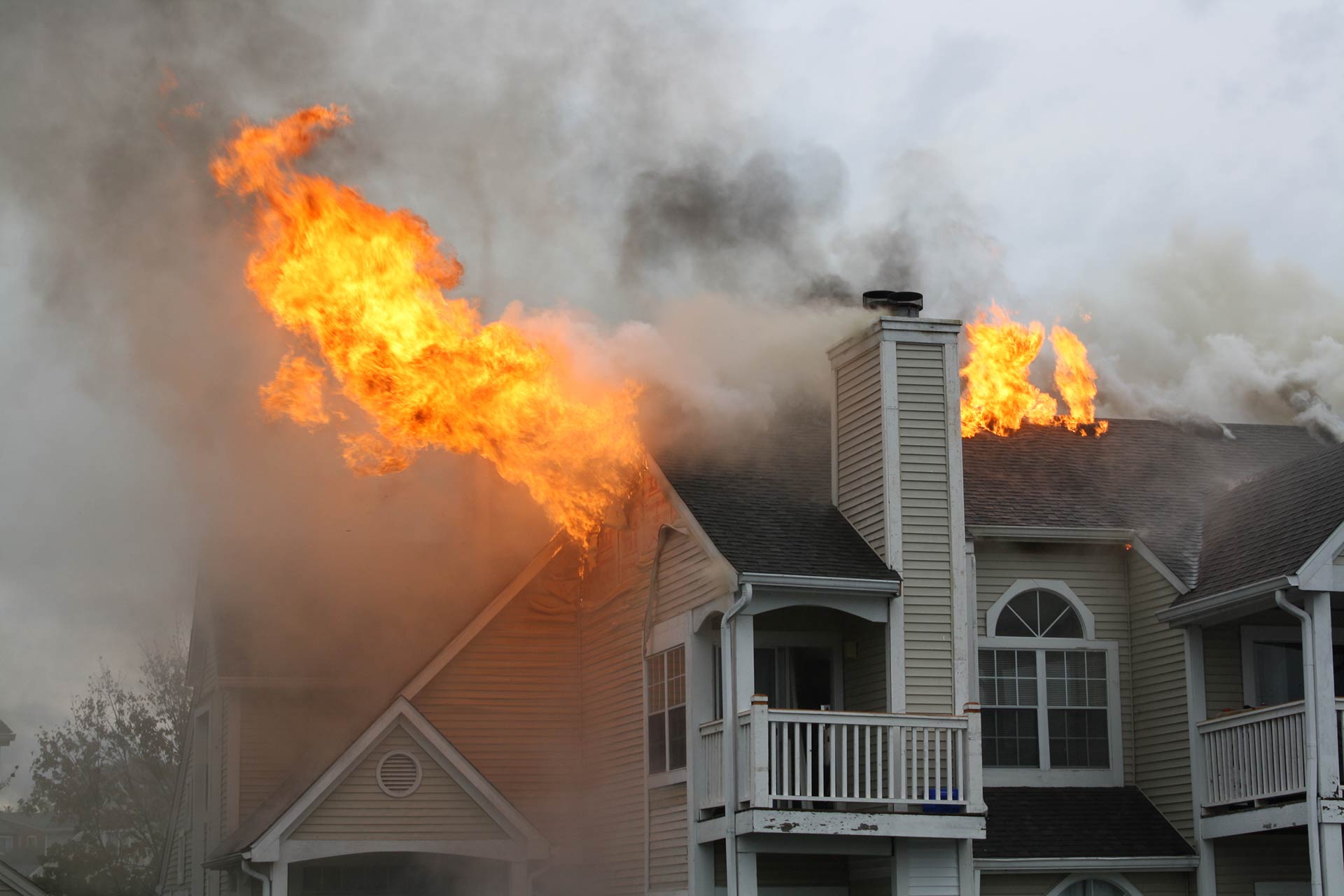
Experiencing a fire is a traumatic event that leaves you feeling overwhelmed and uncertain. Once the flames are out, the clock starts ticking. While it’s tempting to rush in and start scrubbing, fire damage is chemically complex. Ash and soot are acidic; if left untreated, they can cause permanent etching and discoloration within hours.
This blog provides a roadmap for a safe, efficient recovery to help you reclaim your home.
Safety First: The Immediate Checklist
Before reclaiming your home, prioritizing personal safety is non-negotiable. Fire damage introduces hidden hazards like weakened floorboards, toxic chemical residue, and compromised electrical systems. Rushing into a damaged structure without a plan risks serious injury or long-term respiratory issues. Follow a systematic checklist to ensure the environment is stabilized, the air is breathable, and the site is legally cleared for entry.
Wait for the "All Clear"
Never enter a fire-damaged property until the fire department or a structural engineer officially declares it safe. Even if the exterior looks intact, extreme heat can warp support beams and weaken the integrity of roofs or floors, leading to sudden collapses. Furthermore, fire officials must ensure there are no lingering "hot spots" that could reignite. Entering prematurely isn't just dangerous; it can also interfere with ongoing investigations or insurance assessments.
Check Utilities
Damaged utility lines are invisible killers. Before starting your cleanup, have professional technicians inspect your gas, water, and electrical systems. Fire can melt wire insulation or cause gas leaks that lead to explosions. Do not attempt to turn on a breaker or a faucet yourself until the "all clear" is given for these specific systems. If you suspect a leak, leave the premises immediately and contact your utility provider from a safe distance.
Wear Personal Protective Equipment (PPE)
The aftermath of a fire is a cocktail of toxins. Soot and ash consist of fine particulates that can penetrate deep into your lungs, while charred plastics and synthetic materials release hazardous chemicals. Protect yourself by wearing an N95 respirator, heavy-duty work gloves, and long-sleeved clothing to prevent skin absorption. Goggles are also essential to shield your eyes from acidic dust, ensuring your physical health remains protected during the recovery process.
Ventilation and Air Quality
Lingering smoke is more than just a bad smell; it is a concentration of microscopic toxins and corrosive soot. Improving air quality immediately is vital to prevent these particles from embedding deeper into your furniture and walls. Effective ventilation flushes out hazardous vapors, lowers humidity levels that cause mold, and creates a safer, more breathable environment for the cleanup process to begin.
Open Everything
Natural airflow is your first line of defense against persistent smoke odors. Open every window and interior door to create a powerful cross-breeze that pulls stagnant, contaminated air out of the home. Don’t forget to open closet doors and cabinets, as smoke often seeps into enclosed spaces, trapping odors where they are hardest to reach. Maximizing ventilation right away helps stabilize the indoor environment and prevents acidic soot from settling permanently on surfaces.
Industrial Fans
Standard household fans often lack the power needed to clear dense smoke particles. Instead, use high-velocity industrial fans or air movers to force air circulation through the entire property. Position these strategically at entryways and windows to create a "push-pull" effect, effectively vacuuming the smoke out of the building. Using professional-grade equipment accelerates the drying process if water was used to extinguish the fire, significantly reducing the risk of secondary mold growth.
Replace HVAC Filters
Your heating and cooling system acts like a giant lung for your home, and fire damage fills that lung with toxic soot. Before turning your climate control back on, you must replace all air filters, as they are likely clogged with hazardous debris. Using a dirty filter will simply recirculate smoke odors and fine ash throughout every room. For the best results, have a professional inspect and clean the ductwork to ensure your air remains pure.
Structural Cleaning: Soot vs. Ash
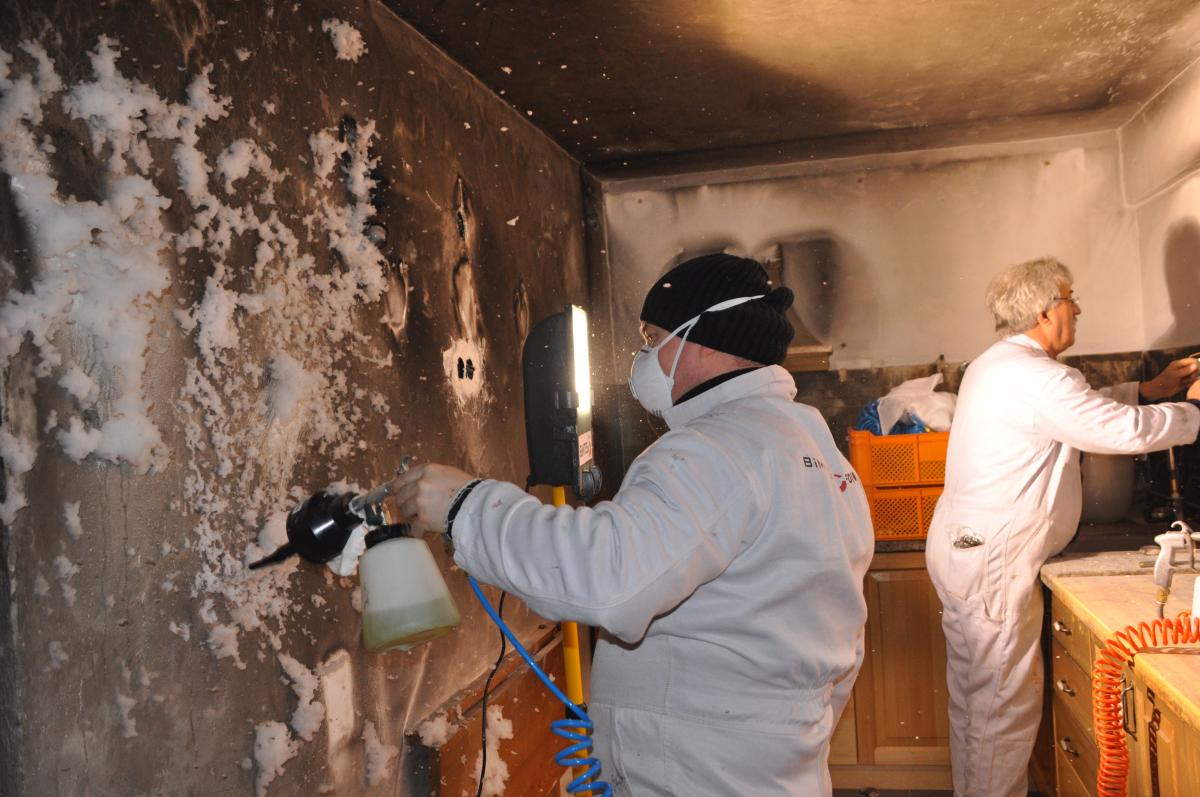
Cleaning fire damage isn't like regular dusting. There are different types of soot (oily vs. dry), and using the wrong cleaner can
"set" the stain forever.
Surface Type | Cleaning Method |
Walls (Non-greasy soot) | Use a dry chemical sponge. Do not use water first, or you will smear the soot into the drywall pores. |
Walls (Oily/Greasy soot) | Use a solution of TSP (Trisodium Phosphate) and warm water. |
Hardwood/Furniture | Vacuum with a HEPA filter (don't use a brush attachment, which grinds soot in). Wipe with oil soap. |
Textiles/Carpets | These often require professional "ozone treatment" to remove deep-seated odors. |
Salvaging Personal Belongings
The emotional weight of fire damage often lies in your "stuff." Here’s how to handle common items:
Documents
Protecting vital paperwork is a race against time and moisture. If your documents are damp from firefighting efforts, place them in plastic bags and store them in a freezer to halt mold growth and prevent further paper fiber breakdown. For scorched or soot-covered items, avoid wiping them, as this can smudge ink and ruin the text. Instead, consult a restoration specialist who uses professional vacuum-freeze drying to safely preserve your records.
Electronics
Never attempt to power on a computer, television, or appliance that has been exposed to heat or smoke. Soot is highly conductive and acidic; turning on a device can cause an immediate short circuit or permanent internal corrosion. Even if the exterior looks clean, fine ash particles likely settled on sensitive circuit boards. Have a certified technician professionally clean the internal components to remove residues before testing the equipment for functionality.
Clothing
Fire-damaged textiles require more than a standard wash to become wearable again. Soot contains acidic oils that trap odors deep within fabric fibers. For machine-washable items, use an alkaline-based detergent specifically designed to break down smoke particulates, and avoid high-heat drying which can set the smell permanently. For delicate "dry clean only" garments, seek out a restoration cleaner who uses specialized ozone treatments to neutralize odors without damaging the material.
Managing the Odor
Eliminating fire odors requires neutralizing the source rather than masking it. Smoke particles are microscopic and porous, meaning they cling to every surface and hide deep within walls. A systematic approach—combining natural absorbents with professional-grade techniques—is the only way to permanently remove the scent. Proper odor management ensures your home feels fresh and prevents the recurring "campfire" smell.
Vinegar Bowls
White vinegar is a natural, cost-effective acetic acid that works wonders at neutralizing alkaline smoke odors. Place several shallow bowls filled with white vinegar in affected rooms to pull acrid scents directly out of the air. For the best results, change the vinegar every 24 hours. While the vinegar itself has a sharp scent, it dissipates quickly, taking the stubborn, lingering smell of charred materials along with it.
Activated Charcoal
For deep-seated odors that vinegar can't reach, activated charcoal is an incredibly powerful absorbent. Unlike regular charcoal, the "activated" version has a massive surface area specifically designed to trap gas molecules and toxic particulates. Place charcoal bags in closets, cabinets, and near upholstered furniture to filter the air silently and effectively. This method is particularly useful for sensitive areas where liquid cleaners or chemical deodorizers cannot be used safely.
Avoid Scented Sprays
It is tempting to spray floral or citrus air fresheners to cover up smoke smells, but this is often counterproductive. Most consumer-grade sprays only mask odors temporarily, and when the fragrance mixes with smoke, it can create a nauseating, cloying scent that is harder to live with. Furthermore, these sprays do nothing to remove the toxic particulates. Focus on neutralizing the air first to ensure a truly clean and healthy environment.
When to Call the Professionals?
While minor soot can be handled DIY, extensive fire damage requires professional expertise. Restoration specialists possess industrial-grade equipment, like hydroxyl generators and ultrasonic cleaners, to tackle deep-seated toxins and structural issues. If the fire involved hazardous materials, significant water damage, or widespread structural compromise, calling the pros ensures your home is safely restored to pre-loss condition and meets insurance standards.