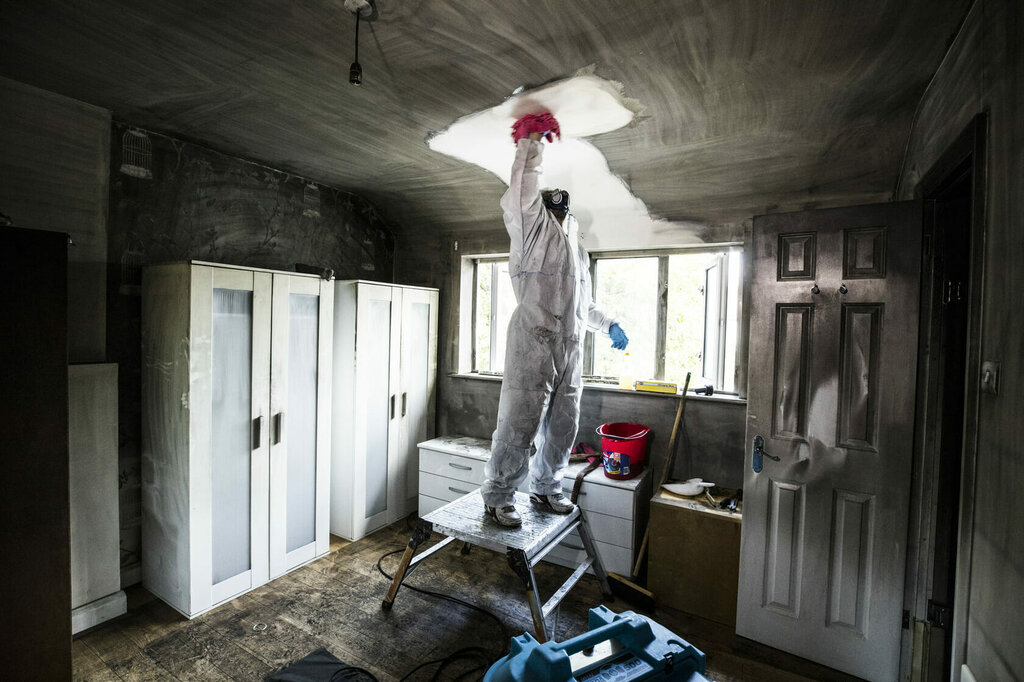
The moments following a fire are often the most overwhelming a property owner will ever face. Once the sirens fade and the fire department clears the scene, you aren’t just looking at charred wood; you’re dealing with a complex cocktail of acidic soot, standing water, and structural instability.
In 2026, professional fire damage restoration has evolved into a high-tech, scientific process. Here is exactly what you should expect when the restoration experts arrive on-site.
Immediate Emergency Assessment and Stabilization
Efficiency is the cornerstone of fire recovery. Within hours of the site being cleared by the fire department, professionals conduct a rapid stabilization sequence to halt secondary damage. This phase involves identifying immediate hazards, such as compromised utility lines or toxic runoff, and setting up moisture control. By acting fast, restorers prevent "permanent set" of soot and stop mold from colonizing water-damaged areas.
Structural Evaluation
The integrity of a building often hides behind cosmetic surfaces. During a structural evaluation, experts use moisture meters and thermal imaging to detect "invisible" pockets of water trapped in wall cavities or subflooring. They meticulously inspect load-bearing beams and floor joists for charring that could compromise the safety of the entire property. This phase determines whether the building is safe to enter and dictates the scale of the subsequent demolition or repair.
Security (Board-Up & Tarping)
A fire-damaged property is vulnerable to more than just the elements; it is an open invitation for vandalism or wildlife. Professionals prioritize security by performing board-up services for shattered windows and compromised doorways using heavy-duty plywood. Simultaneously, industrial-grade tarping is applied to roof punctures to prevent rain from causing further internal destruction. This immediate physical barrier protects your assets while the property remains vacant during the lengthy restoration and insurance adjustment process.
Insurance Documentation
Navigating a fire claim requires a meticulous paper trail that most property owners are too overwhelmed to manage alone. Professionals provide comprehensive insurance documentation, utilizing high-resolution 3D mapping and digital inventories to catalog every damaged item and structural defect. They record atmospheric readings and moisture levels to justify the necessity of specialized drying equipment. This transparent data package serves as the "evidence" your adjuster needs to expedite the claim and ensure you receive a fair settlement.
Water Extraction and Structural Drying
Water used during firefighting often causes more pervasive damage than the flames themselves. Professionals utilize heavy-duty extraction units to remove standing water from carpets and basements before it seeps into the foundation. This stage is critical for stabilizing the environment’s humidity levels. Once the liquid is removed, the focus shifts to scientific drying, ensuring that deep-seated moisture within porous materials is completely eradicated.
The "48-Hour Mold Clock"
Microbial growth is a silent secondary disaster that begins almost immediately after water exposure. Within just 48 hours, mold spores can colonize damp drywall, insulation, and wood, leading to significant health risks and increased restoration costs. Expert teams prioritize rapid dehumidification during this narrow window to drop the relative humidity below the threshold where mold can thrive. By beating this clock, they preserve the structural materials and maintain the indoor air quality.
Industrial Equipment
Restoration success relies on high-grade machinery far beyond the capabilities of consumer tools. Technicians deploy Low Grain Refrigerant (LGR) dehumidifiers and high-velocity air movers to create a "vortex" of dry air that pulls moisture from deep within structural cavities. Additionally, HEPA air scrubbers are utilized to filter out microscopic soot particles and airborne contaminants. This combination of specialized hardware ensures that the property reaches "dry standards" that are
verified by precision moisture-tracking technology.
Soot Removal and Decontamination
Soot is a highly corrosive substance that can cause permanent etching and discoloration within minutes of contact. Restoration specialists employ specialized alkaline cleaners to neutralize the acidic nature of smoke residue. This process involves a systematic cleaning of every surface, from ceiling fans to HVAC ducts, ensuring that toxic carcinogens are completely removed to create a safe, breathable environment for your family.
Ultrasonic Cleaning
For intricate belongings that seem beyond repair, ultrasonic cleaning offers a high-tech solution. This process utilizes high-frequency sound waves in a specialized water bath to create millions of microscopic bubbles. These bubbles implode upon contact with soot, gently lifting contaminants from complex crevices in jewelry, electronics, and delicate collectibles. It is an incredibly effective, non-abrasive method that restores cherished items to their pre-loss condition without the risk of manual scrubbing damage.
Dry Ice Blasting
Dry ice blasting has revolutionized the cleaning of charred structural elements like wooden beams and masonry. By propelling recycled CO_2 pellets at supersonic speeds, technicians can "lift" the carbonized layer off the surface without using harsh chemicals or abrasive sand. The pellets sublimate instantly upon impact, leaving no secondary waste to clean up. This eco-friendly method is favored for its ability to remove heavy char and stubborn smoke odors while preserving the underlying material.
Odor Neutralization (Not Just "Masking")
If you can smell smoke, the smoke particles are still there. Professionals don't just spray air fresheners; they use molecular-level technology:
Hydroxyl Generators
Hydroxyl generators are a breakthrough in restoration technology, offering a safe and effective way to purify the air in occupied spaces. These machines mimic the natural atmospheric process by using UV light to create hydroxyl radicals, which actively dismantle odors, bacteria, and volatile organic compounds. Because they are non-toxic, they can run continuously while technicians work, significantly speeding up the decontamination process without requiring residents or pets to evacuate the premises.
Thermal Fogging
Thermal fogging is a specialized technique designed to replicate the behavior of fire-driven smoke. The equipment heats a solvent-based deodorizer into a fine mist with particle sizes similar to smoke itself, allowing it to drift into the exact same crevices and wall cavities. Once inside, the fog chemically pairs with smoke molecules to neutralize them instantly. This comprehensive approach ensures that even "hidden" odors trapped behind structural materials are completely eradicated at their source.
What Will It Cost? (2026 Price Benchmarks)
Restoration costs vary significantly based on the "Class" of the fire and the square footage.
Service Type | National Average Range (2026) |
Minor Smoke/Soot Cleanup | $800 – $3,000 |
Standard Kitchen Fire | $4,500 – $12,000 |
Major Structural Restoration | $25,000 – $55,000+ |
Thermal Fogging (Odor) | $250 – $650 |
The "Rebuild" Phase
The final step is the transition from mitigation (stopping the damage) to restoration (rebuilding the home). This includes:
Drywall replacement and painting.
Floor refinishing or replacement.
Electrical and plumbing safety checks.
Conclusion
Professional fire damage restoration is a high-stakes race against time and chemistry. By employing advanced technology like ultrasonic cleaning and thermal fogging, experts do more than just clean; they salvage your property and health. Trusting professionals ensures your home is structurally sound, odor-free, and safe for a fresh start.