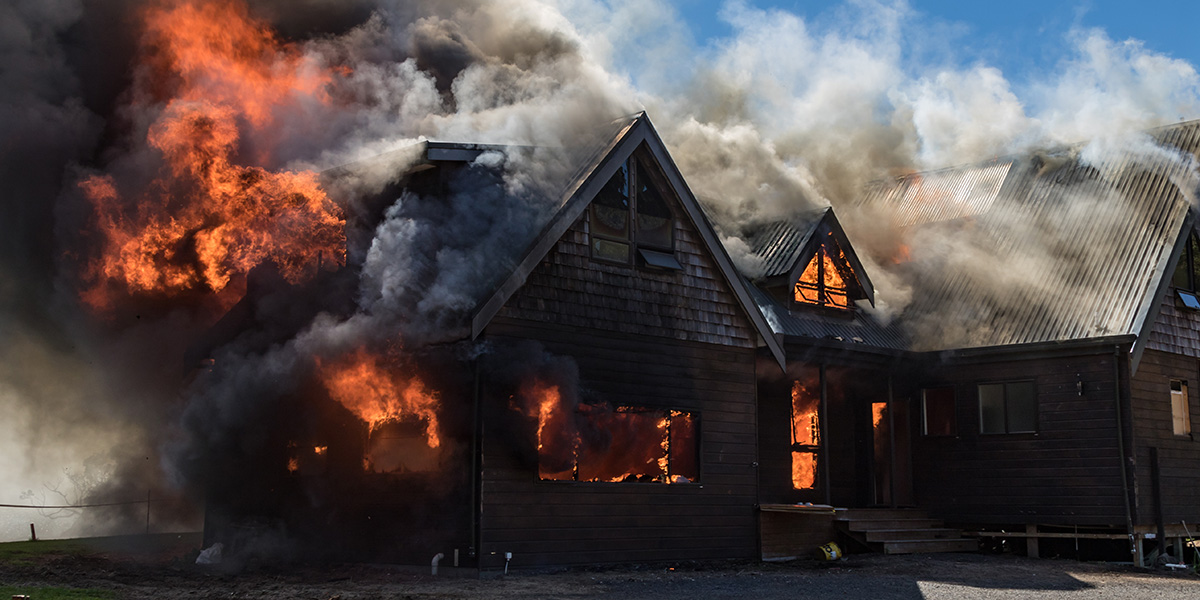
Experiencing a house fire is one of the most traumatic and overwhelming events a homeowner can face. Once the flames are extinguished and the firefighters leave, the immediate shock gives way to a daunting reality: dealing with the aftermath.
Knowing the right steps to take immediately following a fire is critical not only for your family's safety and insurance claims, but also for minimizing long-term structural and health damage to your property.
Here is a complete, step-by-step fire damage guide on what you should do after a house fire.
Prioritize Safety First
Before assessing property damage or salvaging belongings, your absolute top priority must be safety. Fire scenes are intensely unpredictable environments filled with structural instability, toxic residues, and electrical hazards. Never rush back inside blindly. Taking a cautious, measured approach ensures you protect yourself and your loved ones from preventable secondary injuries during this vulnerable time.
Wait for Official Clearance
Never re-enter your home until emergency personnel or the fire department explicitly declares the structure safe. Hidden hot spots, weakened framing, charred subfloors, and compromised roofs can cause sudden, dangerous collapses without warning. Always wait for professional authorization before stepping foot inside your property.
Beware of Hidden Hazards
Even after flames are extinguished, severe risks remain present throughout the building. Toxic chemicals linger in thick soot and ash, while standing water mixed with debris creates slip-and-fall hazards. Additionally, compromised electrical systems can pose severe shock risks, making extreme caution essential during any brief entry.
Wear Protective Gear
If emergency responders permit you to enter briefly to retrieve critical essentials, always wear proper protective equipment. Equip yourself with heavy-duty shoes, long pants, durable work gloves, and an N95 respirator mask to effectively prevent inhaling dangerous particulate matter, airborne toxins, and hazardous soot particles.
Contact Your Insurance Company
The sooner you file your insurance claim, the faster the recovery process can begin.
Call Your Agent Immediately
Notify your insurance provider as soon as possible to formally report the incident and jumpstart the claims process. Prompt reporting ensures an adjuster is assigned quickly, helping you navigate temporary living arrangements and accelerating the overall property recovery timeline without unnecessary delays.
Review Your Policy
Carefully examine your homeowners or renters insurance policy to understand exactly what coverage applies. Review details regarding structural repairs, personal property replacement limits, and temporary living expense provisions so you know what financial support is available throughout your rebuilding journey.
Document Everything
Take extensive, clear photos and videos of every damaged room and item before any cleanup begins. Never discard damaged possessions until your adjuster inspects them, as these visual records serve as essential proof of loss for your insurance claim evaluation.
Keep All Receipts
Save every physical and digital receipt for immediate out-of-pocket expenses, such as emergency shelter, food, clothing, and pet boarding. Most standard policies cover these costs under Additional Living Expenses, making thorough record-keeping vital for securing complete financial reimbursement.
Secure the Property
A fire-damaged home is deeply vulnerable to weather elements, wildlife, and unauthorized entry. Securing the property immediately after a disaster is essential to protect your remaining belongings from further loss, vandalism, or liability risks. Taking swift action to lock down vulnerable entry points ensures your property remains safe and contained while you navigate the complex recovery process ahead.
Board Up Openings
Quickly cover all broken windows, compromised doors, and gaping holes in exterior walls or roofs using sturdy plywood or heavy-duty plastic sheeting. This critical step prevents rain, wind, and debris from entering the structure, protecting your remaining property from further damage and deterring trespassers.
Shut Off Utilities (If Needed)
If the fire department has not already done so, ensure that electricity, gas, and water lines are safely turned off. This prevents dangerous secondary hazards like gas leaks, active electrical shorts, or plumbing floods before professional technicians arrive to inspect the compromised systems.
Call a Professional Fire Damage Restoration Team
Attempting DIY cleanup after a fire often worsens the damage. Acidic soot can permanently etch surfaces, and hidden moisture breeds toxic mold. Bringing in a licensed, professional restoration contractor immediately is essential. They utilize specialized industrial equipment, advanced air scrubbers, and powerful chemical solutions to effectively clean toxic residues, eliminate smoke odors, and restore your property safely.
Hire Certified Experts
Always partner with certified, experienced restoration professionals who possess the proper industry credentials. Certified technicians understand the complex chemistry of smoke and soot damage, ensuring your home is treated with the correct techniques, protective protocols, and specialized tools required to salvage your property effectively.
Act Fast
Soot, smoke, and moisture damage escalate rapidly by the hour. Immediate professional intervention prevents metal corrosion, wood warping, and dangerous mold colonization. Acting quickly minimizes long-term repair costs and accelerates your home's complete recovery timeline.
Address Smoke Odor and Air Quality
Even after visible charring is thoroughly cleaned, microscopic smoke particles linger persistently in the air, HVAC systems, and porous materials like drywall, carpets, and upholstery. Overlooking this step leaves your indoor environment toxic and unpleasant. Comprehensive air quality restoration is vital to eliminating invisible pollutants, protecting your respiratory health, and ensuring your living space truly feels clean and safe again.
Avoid DIY Masking
Never rely on standard air fresheners, candles, or basic household sprays to cover up lingering smoke smells. These products only provide temporary masking rather than destroying odor molecules at a chemical level. Worse yet, mixing artificial fragrances with toxic soot residues can worsen indoor air quality and trigger severe respiratory issues for your family.
Professional Deodorization
Restoration experts employ advanced equipment like thermal foggers, ozone treatments, and hydroxyl generators to neutralize persistent smoke odors permanently at the molecular level. They will also thoroughly clean or replace contaminated HVAC ductwork to prevent circulating trapped soot particles every time your heating or cooling system turns on.
Navigating the Road to Recovery
Recovering after a house fire takes time, patience, and professional support. By prioritizing safety, documenting losses thoroughly, and partnering with experienced restoration professionals, you can protect your investment and take the first steady steps toward rebuilding your home.