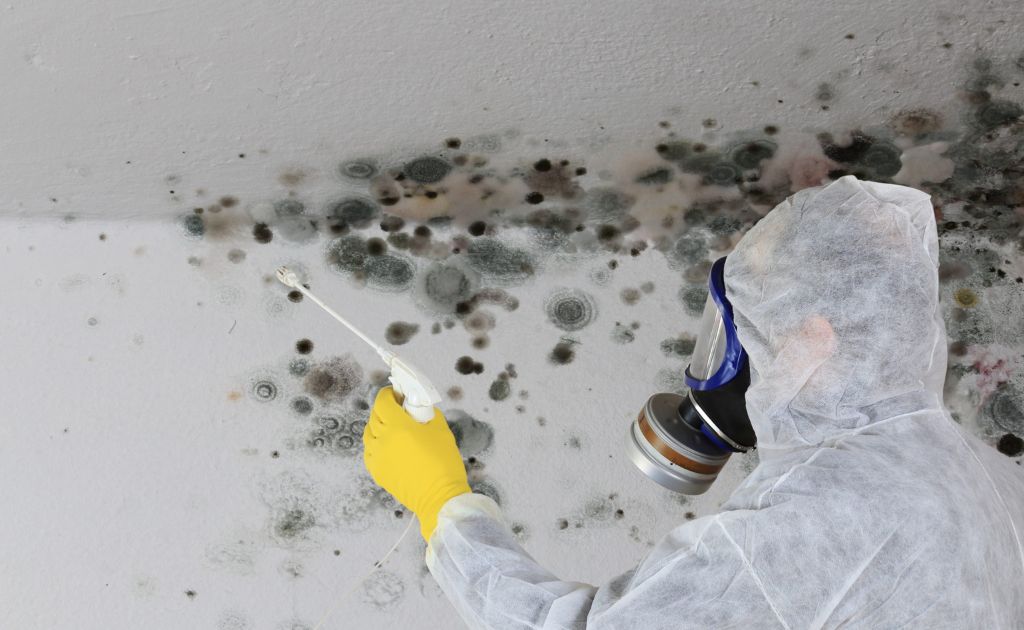
Dealing with water damage in your home or business is stressful enough, but a ticking clock is working against you long after the standing water has been cleared. Within just 24 to 48 hours of a leak, flood, or plumbing failure, mold can begin to take root and spread across damp surfaces.
Understanding why mold develops so rapidly after water damage—and knowing how to properly eliminate it—is essential for protecting your property and your health.
Why Water Damage is a Prime Catalyst for Mold?
Mold spores are naturally present in the air everywhere around us, both indoors and outdoors. They are microscopic, lightweight, and completely harmless in small numbers. However, these spores act like sleeping seeds looking for three basic elements to activate and multiply:
Organic material to feed on (such as drywall, wood, insulation, carpet backing, and wallpaper).
Oxygen (which is readily available in any indoor environment).
Moisture (the critical catalyst introduced by water damage).
When a pipe bursts, a roof leaks, or a severe flood hits, porous building materials absorb and trap moisture. If these materials are not thoroughly dried out immediately, they create an ideal microclimate for mold colonies to germinate, grow, and release millions of new spores into your indoor air.
Common Culprits Behind Post-Water Damage Mold Growth
Not all water damage is obvious. While a major indoor flood is easy to spot, mold often develops from hidden or overlooked moisture sources:
Concealed Pipe Leaks
Hidden behind walls, beneath floorboards, or inside cabinets, slow plumbing leaks silently feed mold colonies for weeks. Because these moisture sources go entirely unnoticed until structural damage or musty odors appear, they create an ideal, undisturbed environment for extensive fungal growth to thrive out of sight.
Incomplete Structural Drying
Relying solely on basic room fans or surface evaporation after a flood often leaves trapped moisture deep within subfloors, wall cavities, and insulation. Without industrial dehumidifiers and professional monitoring, this lingering internal dampness inevitably fuels hidden mold proliferation behind finished walls.
High Indoor Humidity
Following water damage, elevated moisture levels linger in the air, transforming unventilated areas like basements, crawlspaces, and bathrooms into damp microclimates. When relative humidity consistently exceeds 50 percent, airborne mold spores rapidly germinate and settle across interior surfaces, accelerating widespread microbial growth.
Roof and Window Seepage
Storm-driven rain, compromised flashing, or failing window seals can introduce a steady, unmonitored trickle of water into attics and exterior wall framing. Over time, these persistent water intrusions saturate framing materials, creating long-term breeding grounds for aggressive mold colonies within structural junctions.
Health Risks Associated with Indoor Mold
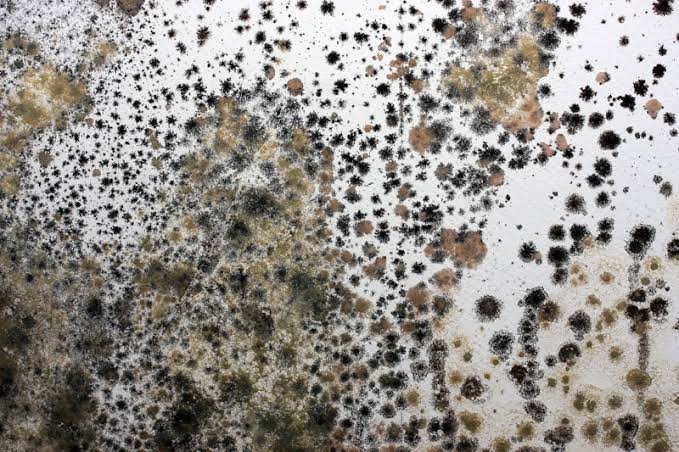
Allowing mold to linger after water damage poses significant health and structural concerns. Exposure to elevated mold levels can trigger various health symptoms, particularly in sensitive individuals, children, the elderly, and those with respiratory conditions or allergies:
Persistent sneezing, coughing, and nasal congestion
Itchy, watery eyes and skin irritation
Worsened asthma symptoms or difficulty breathing
Chronic fatigue and headaches
Beyond health impacts, mold is an active biological organism that feeds on organic building materials, gradually weakening structural integrity, rotting framing, and ruining personal belongings.
How to Safely Remove Mold After Water Damage?
Tackling mold requires a strategic approach. Depending on the extent of the infestation, minor surface mold can often be managed independently, while severe or widespread mold requires professional restoration contractors.
Step 1: Fix the Source of Moisture First
Never attempt mold remediation without first stopping the underlying water problem. If a pipe is still leaking or the roof is still admitting moisture, any mold you clean will simply return within days.
Step 2: Wear Personal Protective Equipment (PPE)
Disturbing mold releases a cloud of spores into the air. Protect yourself by wearing:
An N95 respirator mask (or a half-face respirator)
Protective goggles with no ventilation holes
Disposable gloves and long sleeves
Step 3: Contain the Affected Area
To prevent mold spores from spreading to clean areas of your home during cleanup, close interior doors and seal off the work zone using heavy-duty plastic sheeting and painter's tape. If possible, run an air scrubber or HEPA air purifier inside the containment zone.
Step 4: Clean and Discard Porous Materials
Effective mold remediation requires separating salvageable items from those that are permanently compromised. Carefully evaluate each affected surface, dispose of heavily contaminated porous elements safely, and thoroughly sanitize semi-porous structures using appropriate cleaning solutions and protective gear to stop active spore reproduction.
Porous Materials (Drywall, Insulation, Carpet)
Materials like drywall, fiberglass insulation, and carpet backing absorb moisture deeply and retain microscopic mold roots. Because these organic structures cannot be completely sanitized once heavily infested, they must be safely cut out, securely bagged, and discarded to prevent lingering contamination.
Non-Porous and Semi-Porous Materials (Glass, Metal, Solid Wood)
Hard, non-porous surfaces like glass, metal, and sealed solid wood do not allow mold roots to penetrate deeply. These materials can usually be saved by scrubbing them thoroughly with specialized detergent or commercial antimicrobial cleaners, effectively removing surface colonies without structural replacement.
Thorough Drying
Cleaning alone is not enough; post-cleanup structural drying is critical to prevent recurrence. Deploy commercial-grade dehumidifiers and high-velocity air movers to bring indoor relative humidity below 50 percent, ensuring every hidden cavity, subfloor, and framing member is completely desiccated before reconstruction begins.
When to Call Professional Restoration Experts?
While DIY cleanup works for small patches (typically less than 10 square feet), large-scale water damage and extensive mold growth demand professional intervention. Certified residential and commercial water and flood damage restoration contractors bring advanced thermal imaging technology to detect hidden moisture, industrial-grade air scrubbers, HEPA vacuums, and EPA-registered antimicrobial treatments to eradicate mold safely at the root.
By acting quickly, thoroughly drying your property within the critical 24-48 hour window, and addressing mold safely, you can preserve your building's structural integrity and maintain a healthy indoor environment.