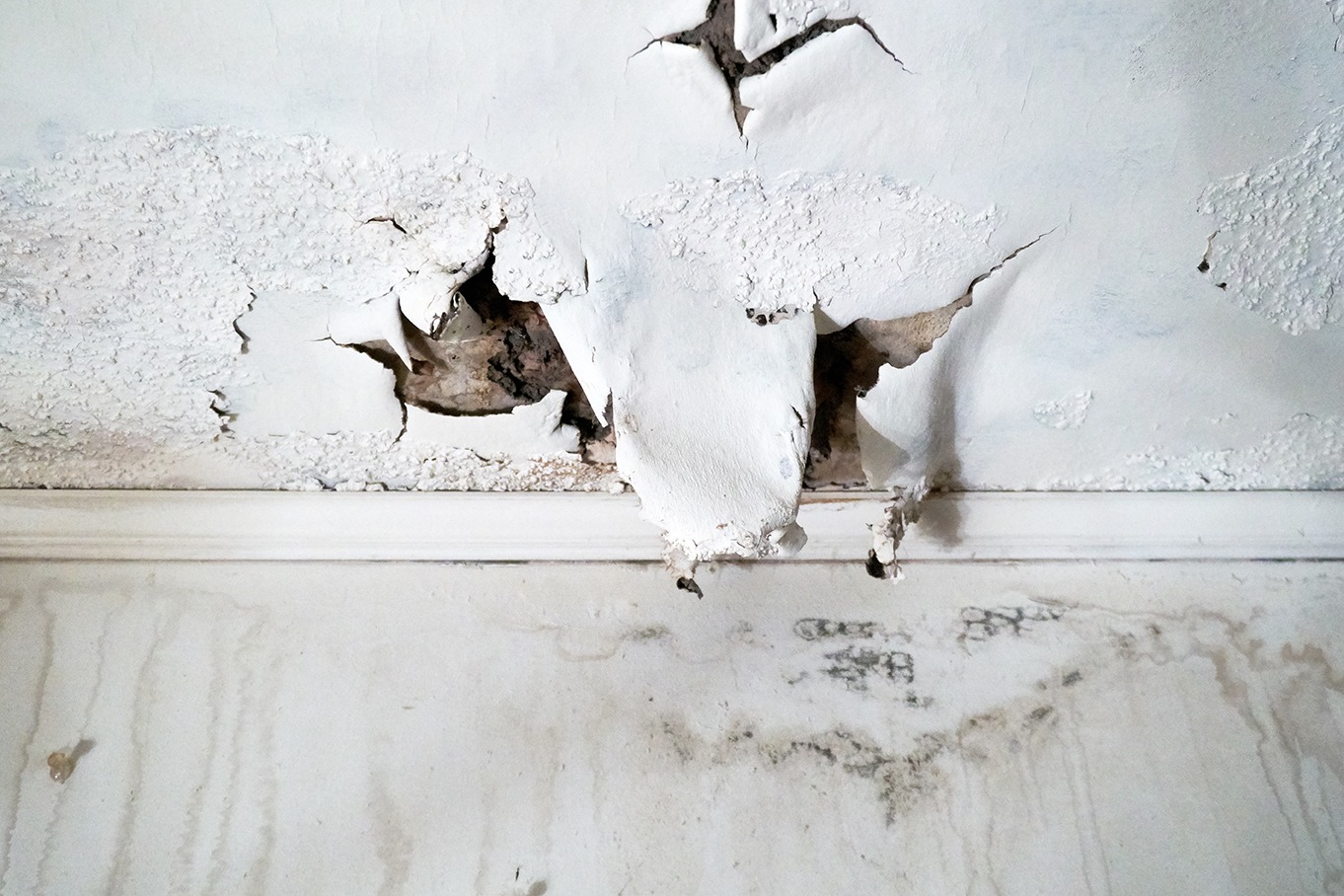
Dealing with water damage in your home is stressful enough, but the threat of mold makes the clock tick even faster. Mold doesn't wait around—it can begin to grow and colonize within 24 to 48 hours of moisture exposure.
Whether you've faced a burst pipe, a leaking roof, or a flooded basement, acting quickly is your best defense. This practical, step-by-step guide covers how to stop mold in its tracks and keep your home safe and dry.
Phase 1: Immediate Action (The First 24 Hours)
When water damage strikes your home, the clock starts ticking immediately. Mold spores thrive in damp environments and can begin colonizing within twenty-four to forty-eight hours. To protect your property and health, you must act fast. Swiftly controlling the environment stops moisture from soaking deeper into structural materials, drastically reducing your chances of facing a severe and costly mold infestation later.
Stop the Source
Before you clean up a single drop of water, your absolute priority is stopping the flow. Shut off your main water valve immediately or repair the active leak. Leaving the water running while you try to dry the room is completely counterproductive and will only worsen the structural damage and mold risk.
Extract Standing Water
Get rid of all pooled water right away using a wet/dry vacuum, sump pump, or mops. Do not wait for things to evaporate on their own. Removing standing water immediately eliminates the primary fuel source for mold and protects your subfloors, baseboards, and carpets from absorbing excessive, trapped moisture.
Boost Ventilation
Maximize airflow throughout the affected area immediately. Open all windows and interior doors, provided the weather outside is dry and clear. Fresh air circulation speeds up natural evaporation, lowers indoor humidity levels, and prevents stagnant, moisture-heavy air from trapping itself against your walls and furniture.
Set Up Fans and Dehumidifiers
Position high-powered industrial fans and heavy-duty dehumidifiers directly in the damp space. Regular household fans are not enough. You need specialized equipment to pull deeply embedded moisture out of drywall, framing, and flooring. Run these machines continuously for at least forty-eight hours to ensure the environment is thoroughly dried.
Phase 2: Thorough Drying and Cleaning
Once immediate standing water is cleared, you must deeply sanitize and dry the affected area. Moisture lingers in unexpected places, creating a hidden haven for spores. Thorough cleaning removes microscopic mold fragments and debris left behind by water. This critical phase stops secondary damage, protects indoor air quality, and ensures your living spaces are genuinely safe, clean, and completely restored to normal.
Remove Porous Materials
Porous items like soaked drywall, insulation, and carpeting act like sponges, trapping water deep inside their fibers. If these materials remain wet for over forty-eight hours, mold takes root rapidly. Discarding them is essential because cleaning cannot reach deep enough to eliminate trapped spores safely, protecting your home from recurring infestations.
Clean and Disinfect
Scrub all hard, non-porous surfaces—such as tile, metal, and sealed wood—using a mixture of mild detergent and water. Follow this by applying an antifungal disinfectant to kill lingering mold spores and bacteria. Thorough scrubbing ensures that microscopic residues are completely washed away before they can multiply.
Check Hidden Spaces
Moisture frequently travels behind baseboards, underneath flooring, and inside wall cavities. Use a digital moisture meter to inspect these hidden zones thoroughly. Overlooking these concealed spaces allows trapped humidity to feed unseen mold colonies, leading to unexpected structural decay and persistent musty odors later.
Phase 3: Long-Term Prevention
After cleaning up, take proactive steps to ensure mold doesn't make a comeback weeks down the road.
Prevention Strategy | Action Item |
Monitor Humidity | Keep indoor humidity levels below 50% using air conditioners and dehumidifiers. |
Fix Leaks Promptly | Routinely inspect plumbing, roofs, and windows for slow leaks. |
Improve Airflow | Use exhaust fans in high-moisture areas like kitchens and bathrooms. |
When to Call the Professionals?
While DIY cleanup works for minor spills and localized leaks, extensive water damage requires professional intervention. If the affected area is larger than 10 square feet, involves sewage-contaminated water, or if you already notice visible mold growth and musty odors, it’s time to call certified water damage and mold remediation specialists. They have the PPE, industrial equipment, and expertise to handle the job safely.