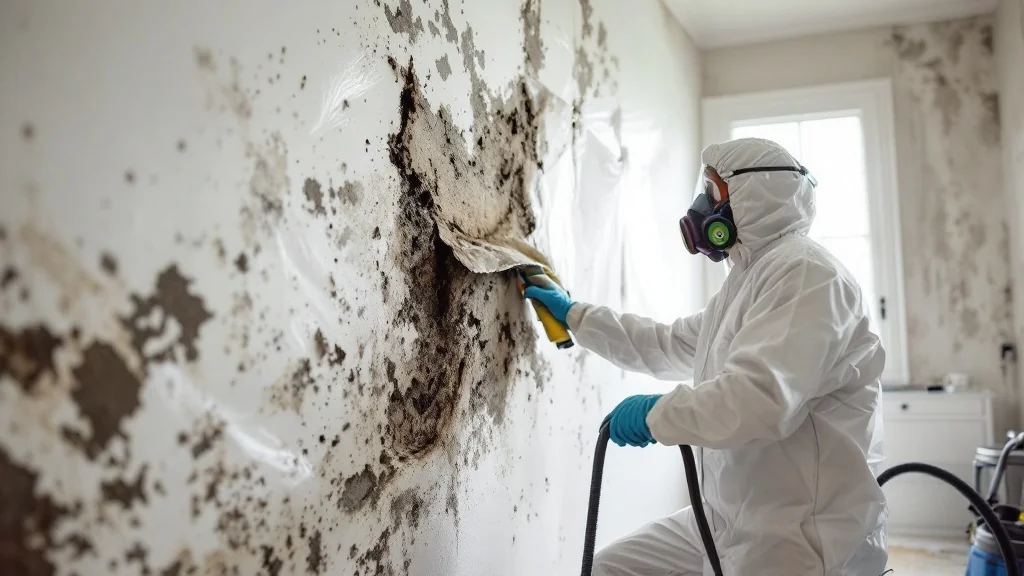
Discovering mold in your home can feel overwhelming, but professional restoration ensures your space is safely remediated and protected against future growth. Here is a breakdown of the standard, step-by-step mold damage restoration process.
1. Inspection and Assessment
Experts begin by identifying the root cause of the moisture and mapping out the mold's spread. Using advanced tools like thermal cameras and moisture meters, technicians locate hidden mold behind walls, under flooring, and inside HVAC systems. Thorough inspections are essential because visible mold is often just the tip of the iceberg, hiding larger colonies in damp structural cavities. By pinpointing the exact moisture source—whether it is a slow plumbing leak or a roof breach—restoration professionals can ensure the underlying issue is fixed so that mold does not return once the remediation process is officially complete.
2. Containment and Air Filtration
To prevent spores from spreading to clean areas of your home, technicians isolate the work zone using heavy-duty plastic sheeting and negative air pressure. They also deploy HEPA air scrubbers to continuously filter and capture airborne spores during the cleanup phase. Containment is a critical safety measure that protects unaffected rooms and HVAC systems from cross-contamination while workers actively disturb and remove colonies. Negative air pressure guarantees that any dust or airborne spores generated during remediation are safely vented outside or trapped directly within industrial filtration units, keeping your indoor air quality as secure as possible.
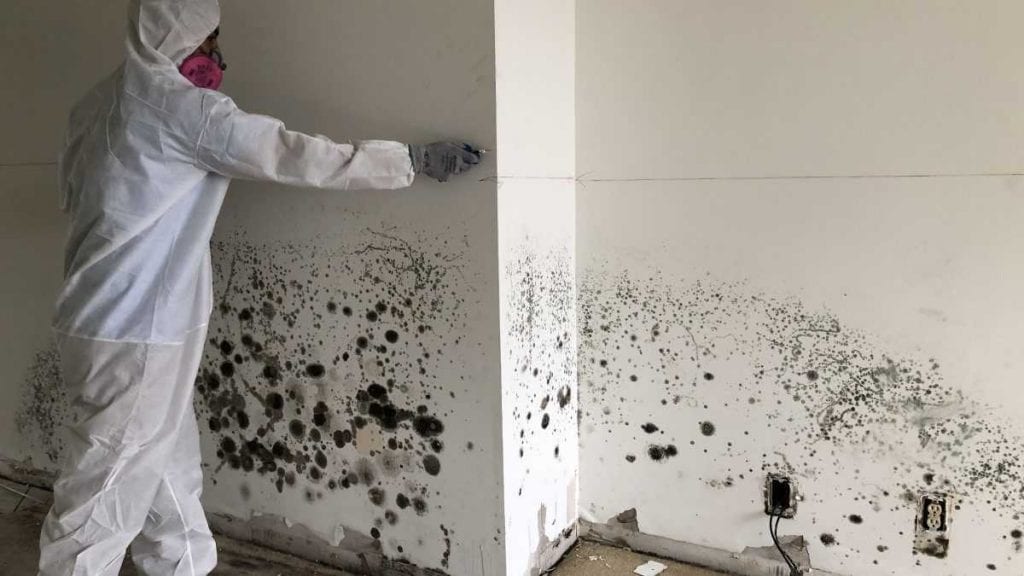
3. Mold Removal and Cleaning
Depending on the severity of the infestation, porous materials such as drywall, carpeting, or insulation may need to be safely discarded because they cannot be thoroughly sanitized. Non-porous and semi-porous surfaces are scrubbed using specialized antimicrobial and antifungal treatments to eliminate active colonies at their roots. Technicians use professional-grade cleaning agents and abrasive techniques designed specifically to lift mold stains and destroy microscopic roots without damaging the underlying structural elements. Every affected surface is meticulously treated and wiped down to ensure that no active spores remain behind to fuel a secondary outbreak.
4. Sanitization and Restoration
Sanitizing personal items, furniture, and belongings affected by secondary spore exposure to ensure your household goods are safe to bring back into living spaces.
Applying professional deodorization treatments, such as thermal fogging or hydroxyl generators, to permanently neutralize and remove stubborn musty odors at a molecular level.
Rebuilding, repairing, or replacing damaged structural components like drywall, framing, and flooring to restore your property back to its pristine, pre-loss condition.
Conclusion
Mold damage restoration requires professional expertise, specialized equipment, and a meticulous step-by-step approach. By investing in certified remediation, you protect your property's structural integrity and ensure a safe, healthy living environment for your family. Don't let hidden spores linger—contact local restoration professionals at the first sign of trouble.