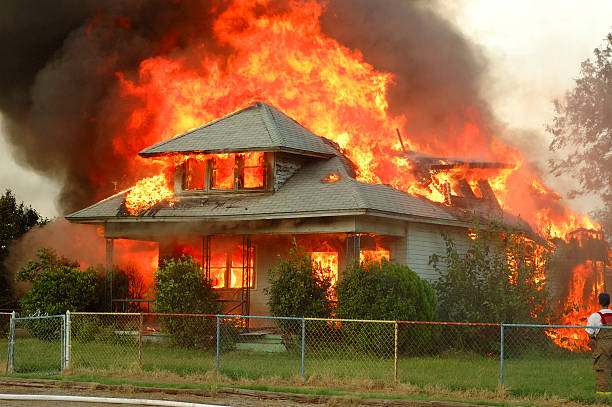
Experiencing a house fire is devastating, and even after the flames are extinguished, a painful reminder often lingers: the smell of smoke. Smoke odor doesn't just make a home unpleasant to live in; it can also pose health risks due to lingering soot particles and toxic chemical residues.
Removing smoke odor requires a systematic, multi-layered approach. Here is a step-by-step guide on how to effectively eliminate smoke smells and restore your home.
Step 1: Safety First and Initial Assessment
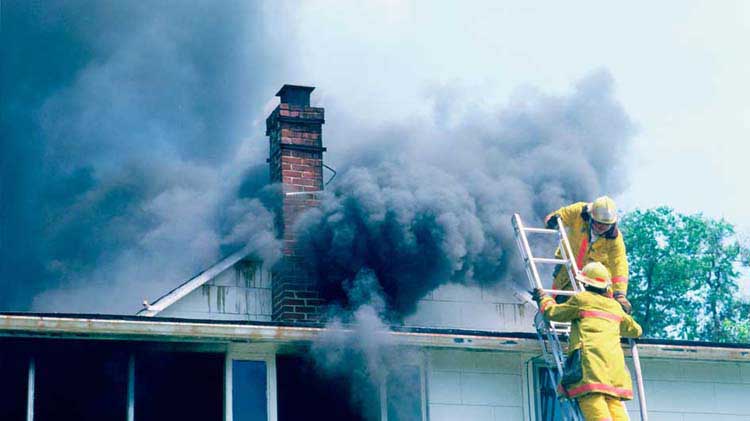
Before starting any smoke remediation work, your safety is paramount. A post-fire environment contains hidden structural hazards, toxic soot particles, and chemical residues that can seriously harm your health. Always proceed with extreme caution, prioritize professional inspections, and protect yourself before touching or moving any damaged belongings inside the property.
Check Clearance
Never enter your home until local fire officials, municipal inspectors, or structural engineers formally declare the building safe. Fires compromise structural integrity, weakening roofs, floors, and load-bearing walls. Unauthorized entry risks sudden collapse, electrical hazards, or exposure to dangerous levels of toxic gasses trapped inside the enclosed space.
Wear Protective Gear
If you are cleared to assess minor damage, gear up properly to prevent toxic inhalation and skin absorption. Always wear an N95 or P100 respirator mask, heavy-duty rubber gloves, safety goggles, long sleeves, and sturdy boots. Standard clothing offers little defense against carcinogenic soot and ash particles.
Air Out the House
Maximize ventilation immediately by opening all undamaged windows and exterior doors to establish cross-ventilation. Position heavy-duty industrial box fans facing outward in windows to actively push stagnant, smoke-filled air out while pulling fresh outdoor air inward. This crucial first step dramatically reduces indoor airborne pollutant concentrations.
Step 2: Deep Cleaning and Debris Removal
Smoke odor clings stubbornly to every surface, meaning trapped soot must be physically eliminated before you can successfully neutralize lingering smells. This comprehensive cleaning phase requires patience and the right techniques to prevent permanent staining. By systematically addressing structural materials and heavily impacted belongings, you pave the way for a truly fresh, odor-free indoor environment.
Discard Severely Damaged Items
Some items are simply beyond saving. Porous materials like heavily charred wood, soggy insulation, warped drywall, and severely burned furniture trap deep-seated smoke that cannot be extracted. Safely disposing of these unsalvageable possessions immediately eliminates major sources of continuous odor, protecting your health and speeding up the overall home restoration process.
Wash Hard Surfaces
Clean non-porous walls, floors, and unpainted woodwork thoroughly using a specialized smoke-removal detergent or Trisodium Phosphate mixed with warm water. Wipe surfaces systematically from bottom to top to prevent streaking. Rinse thoroughly with clean water afterward to strip away chemical residue, effectively removing the greasy, soot-laden film carrying the pungent odor.
Use Dry Chemical Sponges
Never use water on raw wood, wallpaper, or delicate surfaces initially, as moisture forces soot deeper into pores. Instead, use dry chemical sponges, also known as soot erasers. These specialized rubber sponges lift dry soot cleanly off surfaces without smearing. Gently wipe in straight, overlapping strokes to safely capture residue before wet washing.
Step 3: Tackle Fabrics and Soft Furnishings
Textiles act like giant sponges, trapping microscopic smoke particles deep within their woven fibers. Because soft furnishings retain foul odors longer than hard surfaces, they require specialized laundering or heavy-duty extraction techniques. Successfully restoring these items is essential for banishing stale smoke smells from your living spaces and ensuring your textiles feel truly clean again.
Professional Cleaning
For heavily smoked draperies, expensive area rugs, and delicate upholstered furniture, DIY methods are rarely enough. Send these high-risk items to a certified fire restoration dry cleaner. They utilize advanced ozone chambers, specialized solvents, and commercial deodorizing techniques designed specifically to safely lift embedded smoke residues without destroying fragile fabrics.
Wash Washable Textiles
Launder standard clothing, bedding, and washable curtains using your regular detergent mixed with a cup of white vinegar or baking soda to break down grease and neutralize odors. You may need to run multiple wash cycles before the smell completely vanishes. Always air-dry these items first to ensure heat from a dryer doesn't bake residual odors permanently into the fabric fibers.
Deep Clean Carpets
Steam clean wall-to-wall carpets and heavy area rugs thoroughly using professional-grade equipment and deodorizing solutions. Keep in mind that smoke and soot often penetrate the underlying foam padding. If the pungent odor persists after multiple deep cleanings, you will likely need to pull up the carpet and replace the padding entirely to achieve permanent freshness.
Step 4: Neutralize Remaining Odors
Once you have finished physical cleaning, microscopic odor molecules may still linger in the air and pores of your home. Neutralizing these stubborn smells requires natural absorbers or specialized chemical technology. This crucial stage targets the invisible pollutants that basic cleaning misses, ensuring your indoor air quality returns to a safe, fresh, and breathable state.
Baking Soda & Vinegar
Place bowls of white vinegar or baking soda strategically around the affected rooms to absorb airborne odors naturally over several days. White vinegar neutralizes alkaline smoke molecules in the air, while baking soda acts as a powerful passive deodorizer. This safe, chemical-free method works continuously in closed spaces to draw out lingering smells without introducing artificial fragrances.
Activated Charcoal
Use activated charcoal briquettes or pellets in enclosed, poorly ventilated areas like closets, pantries, and drawers. Unlike regular charcoal, activated charcoal features a highly porous surface area that traps and binds airborne odor molecules rather than just masking them. It provides an efficient, silent, and maintenance-free way to eradicate stubborn, trapped smoke smells in tight spaces.
Advanced Equipment
For persistent, heavy-duty odors, consider renting or hiring professionals equipped with ozone generators or hydroxyl machines. Ozone generators chemically destroy odor molecules by altering their molecular structure. Note that you must completely vacate the home during an ozone treatment due to safety hazards. Hydroxyl generators offer a safer alternative, allowing people and pets to stay inside.
Step 5: Seal and Paint
If smoke odors stubbornly linger despite deep cleaning and natural deodorizers, the smell is likely trapped deep within porous building materials. Applying a specialized primer creates a permanent barrier that locks remaining volatile organic compounds safely underneath. This final structural step stops residual odors from bleeding through walls, ensuring your living space smells clean, fresh, and completely restored.
Apply Sealer
Paint all affected walls and ceilings using an oil-based or shellac-based primer, such as Kilz or Zinsser BIN. Standard water-based paints allow smoke molecules to bleed right through. Oil and shellac primers create an airtight, impermeable barrier that permanently seals in residual smoke odors and prevents discoloration or stubborn soot stains from resurfacing over time.
Repaint
Once your odor-blocking primer has fully cured according to the manufacturer instructions, apply your choice of high-quality interior wall paint. This final cosmetic layer restores your home's aesthetic appeal while reinforcing the protective barrier underneath. Your rooms will look brand new and smell completely fresh, with no lingering traces of smoke damage left behind.
Pro Tip
Don't forget your HVAC system! Smoke particles circulate through ductwork. Change your furnace filters immediately, and hire a professional duct-cleaning service to sanitize your entire ventilation network.
When to Call the Professionals?
While DIY cleaning works for minor smoke exposure, severe house fires require professional fire restoration companies. They possess specialized equipment—like thermal foggers and industrial air scrubbers—that completely eradicate deep-seated smoke damage safely and efficiently.