Mold is a master of disguise. While visible, fuzzy green or black patches are easy to spot and treat, hidden mold thrives behind walls, underneath flooring, inside HVAC ducts, and above ceiling tiles. Left unchecked, it compromises indoor air quality and structural integrity while triggering persistent health issues for occupants. Recognizing the early indicators of a hidden infestation allows property owners to take swift action before minor moisture issues turn into costly remediation projects.
Musty Odors That Won’t Go Away
An unexplained, persistent musty or earthy smell is often the first and most reliable indicator of hidden mold. If a room smells damp, stale, or reminiscent of a damp basement even after thorough cleaning and ventilation, mold is likely growing out of sight in a wall cavity or subfloor. Trust your nose—if you smell moisture, mold is usually nearby digesting organic materials.
Unexplained Health Symptoms
If family members or residents experience chronic, unexplained allergy symptoms that improve when they leave the house, indoor mold may be the culprit. Common physiological reactions to airborne mold spores and mycotoxins include:
Persistent sneezing, coughing, and post-nasal drip
Watery, red, or itchy eyes
Chronic nasal congestion and sinus headaches
Unexplained skin rashes or irritation
Worsened asthma symptoms or frequent respiratory infections
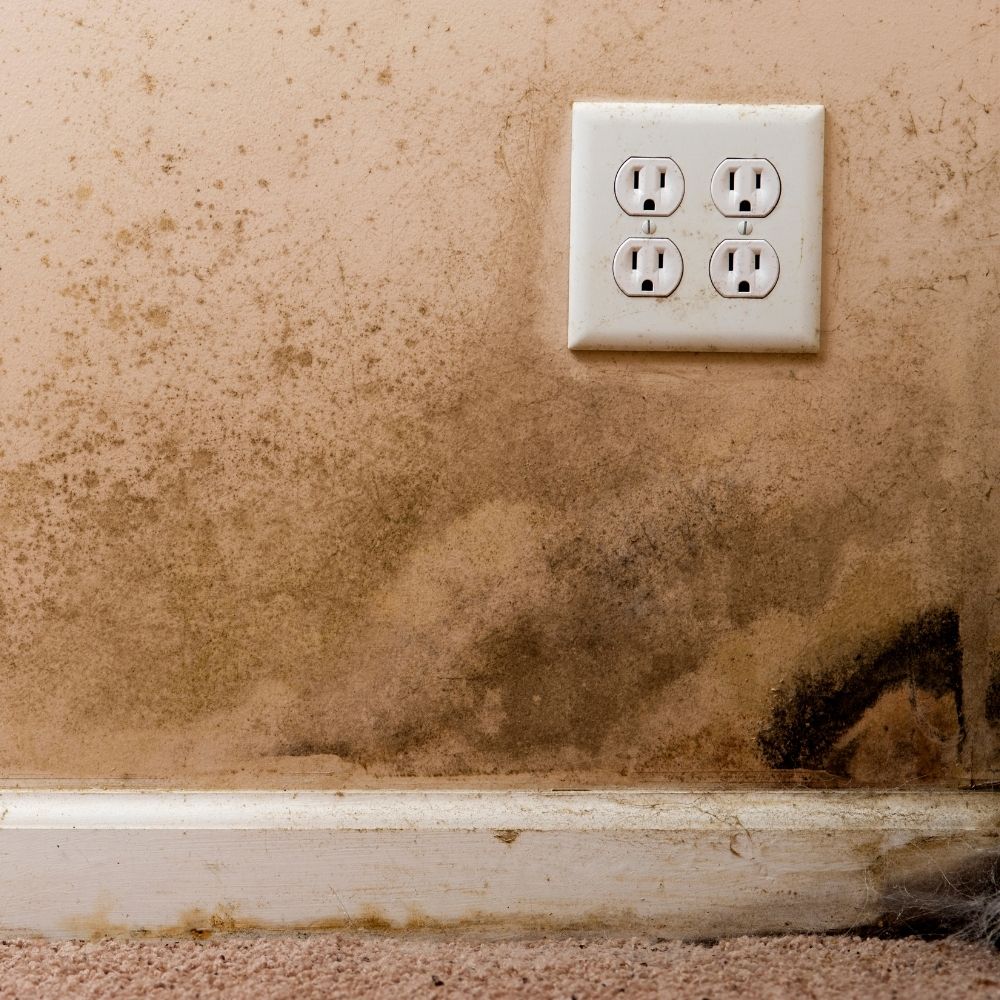
Visible Water Damage and Discoloration
Past or ongoing plumbing leaks, roof penetrations, and window condensation create the exact damp environments mold requires to colonize. Look out for warped baseboards, peeling or bubbling wallpaper, blistering paint, and yellow or brown water stains on drywall and ceilings. Even if the surface appears dry now, the damp insulation or framing behind it may be heavily infested.
Allergy Flare-Ups in Specific Rooms
Pay attention to whether symptoms spike in specific areas, such as a ground-floor bathroom, a laundry utility room, or a basement. If physical discomfort reliably worsens the moment you step into a particular zone, inspect that immediate environment for hidden leaks or elevated humidity levels.
Dampness and Condensation Issues
High indoor humidity acts as fuel for mold growth. If you frequently notice excessive condensation pooling on window panes, a clammy feel in the air, or a relative humidity level consistently exceeding 60% on your hygrometer, your home is at high risk for unseen mold colonies.
Warped Flooring and Cracking Tiles
Subfloor mold thrives underneath hardwood planks, laminate, and linoleum when moisture seeps up from a crawlspace or slab. If your floors feel spongy, springy, or uneven underfoot, or if ceramic tiles begin to crack and loosen from the adhesive, underlying mold and wood rot could be actively destroying the subfloor structure.
Taking Action Against Hidden Mold
Uncovering hidden mold requires systematic investigation using moisture meters, thermal imaging cameras, and professional air quality testing. Addressing the root cause—whether it is a slow plumbing leak, poor ventilation, or rising damp—is essential to stopping mold at the source. For extensive infestations, always partner with a certified remediation professional to ensure safe containment and complete removal.
Conclusion
Detecting hidden mold early protects both your property's structural integrity and your family's health. By paying attention to musty odors, chronic allergy symptoms, and subtle water damage, you can catch infestations before they escalate. Always address the underlying moisture source and consult certified professionals for safe, thorough remediation.