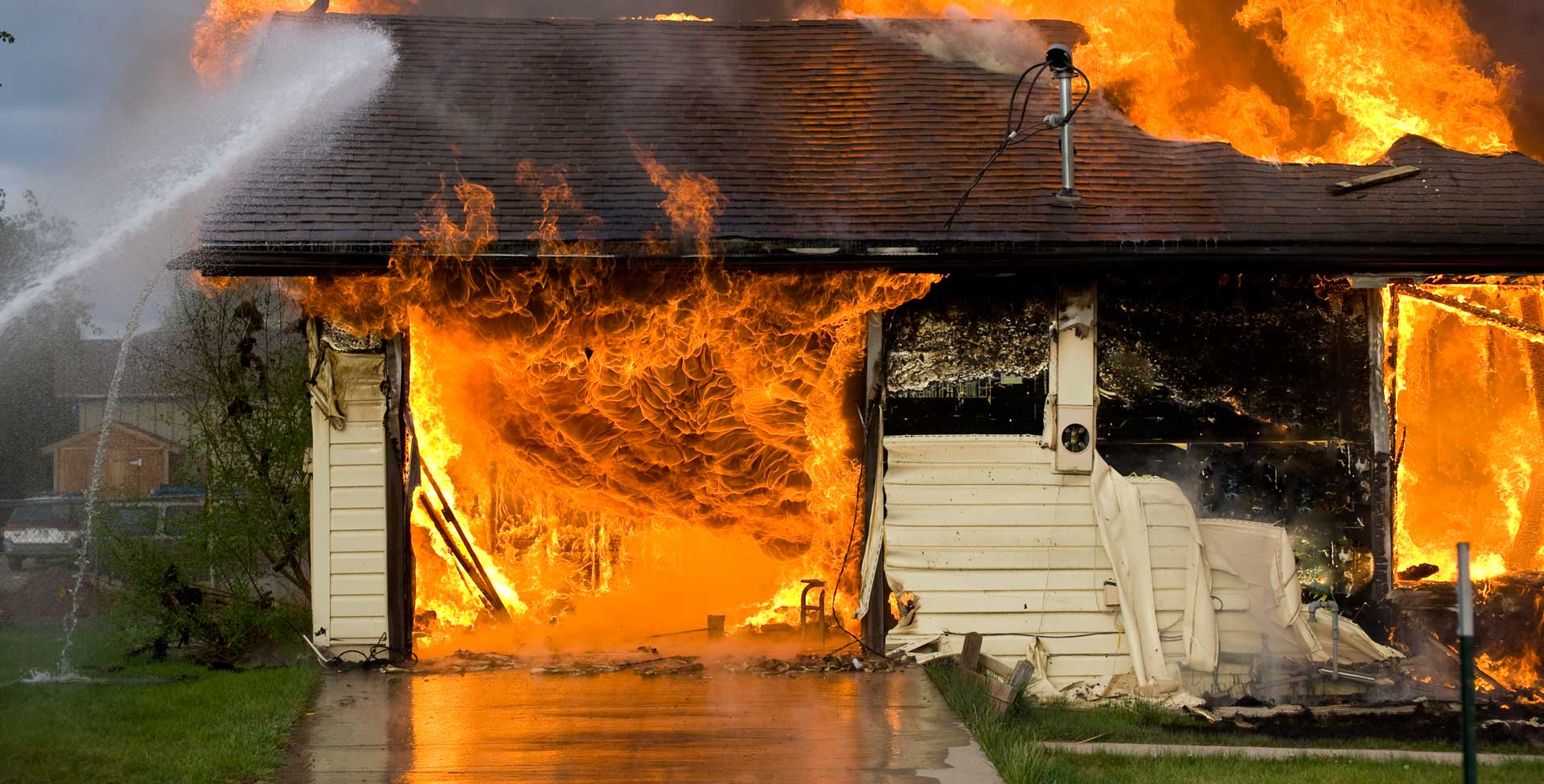
Experiencing a fire in your home is devastating, but the steps you take immediately following the incident play a crucial role in protecting your property and health. Beyond visible flames, lingering soot and toxic smoke residues require specialized attention to ensure your living space is safe to inhabit again.
Steps to Recover Your Home After Fire and Smoke Damage
Begin recovery by waiting for official clearance from safety inspectors. Next, contact your insurance provider immediately and secure the property with boards. Extract firefighting water quickly to stop mold, then hire professionals to eliminate acidic soot and thoroughly sanitize your salvageable belongings.
Ensure Safety and Official Clearance
Never re-enter your property until local fire officials or emergency responders declare the structure officially safe. Hidden hot spots, compromised structural integrity, and hazardous electrical or gas lines pose severe, life-threatening risks. Even if the fire appears completely extinguished, structural elements may be weakened and prone to sudden collapse. Always wait for professional clearance before assessing the property to protect yourself, your family, and any accompanying pets from unexpected secondary hazards.
Contact Your Insurance Provider
Initiate your homeowners insurance claim as soon as possible to jumpstart the recovery process. Document all visible damage with extensive photos and videos before any cleanup or restoration work begins, and keep detailed records of all communication, adjuster notes, and out-of-pocket expenses. Prompt reporting helps prevent claim delays and ensures you understand your policy coverage limits. Working closely with your insurance agent from day one streamlines approvals for emergency repairs and temporary housing assistance.
Secure the Property
Prevent further loss from weather or vandalism by boarding up broken windows, covering damaged roofs with heavy-duty tarps, and securing exterior doors. Many professional restoration contractors offer emergency board-up and tarping services to handle this securely and effectively. Leaving your home exposed invites elements like rain and wind, which compound existing structural issues and attract unauthorized entry. Immediate property security safeguards your remaining belongings and maintains the overall integrity of the damaged building envelope.
Address Water and Moisture Damage
Firefighting efforts often leave behind significant standing water and excessive indoor humidity. Promptly extract moisture using industrial wet vacuums and commercial-grade dehumidifiers within the first 24 to 48 hours to prevent aggressive mold colonies from developing. Trapped moisture quickly seeps into subfloors, drywall, and framing timbers, causing rot and secondary structural degradation. Professional drying equipment ensures that hidden pockets of moisture are completely eradicated, safeguarding your indoor air quality and preventing long-term structural decay.

Eliminate Soot and Smoke Residue
Soot is highly acidic and will continuously corrode surfaces, electronics, metals, and textiles if left untreated. Professional restoration technicians utilize high-efficiency particulate air (HEPA) vacuums, thermal fogging, and specialized chemical sponges to neutralize toxic odors and strip soot from walls, ceilings, and framing. Simple household cleaners are often ineffective and can permanently smear oily soot particles deeper into porous materials. Expert remediation guarantees that microscopic carcinogenic particles and stubborn smoke odors are thoroughly eliminated from your living environment.
Clean and Sanitize Salvageable Items
Professional ultrasonic cleaning, ozone treatment, and specialized dry-cleaning methods can often successfully restore smoke-damaged clothing, upholstery, dishware, and hard surfaces. Porous materials that cannot be thoroughly sanitized—such as severely charred insulation, heavily saturated drywall, or compromised mattresses—must be safely discarded and replaced to protect your health. Meticulous sorting and professional restoration save sentimental items and valuables while ensuring that your reconstructed home remains entirely hygienic, clean, and safe for everyday family living.
Conclusion
Navigating home recovery after fire and smoke damage requires swift action, expert care, and professional mitigation. By prioritizing safety, documenting insurance claims, and partnering with certified restoration specialists, you can successfully restore your property. With patience and expert help, your home will soon be safe, clean, and entirely renewed.