When disaster strikes, the immediate reaction is usually the same: "I need to fix this—fast." However, the path to recovery looks very different depending on whether the damage is in a three-bedroom ranch or a 50,000-square-foot manufacturing plant.
While the fundamental goal of restoration—cleaning, drying, and repairing—remains the same, the scale, equipment, and regulatory requirements create a massive divide between residential and commercial projects.
If you’re a property owner or manager, understanding these differences is key to choosing the right partner for recovery.
Scale and Complexity
The primary distinction lies in the magnitude of the project. While residential damage is typically contained within a few rooms, commercial disasters involve vast square footage and intricate layouts. Large-scale buildings feature complex infrastructures—such as industrial HVAC systems, extensive electrical grids, and multi-unit plumbing—that require specialized knowledge. Managing these complexities demands a sophisticated logistics plan to ensure the entire structural ecosystem is stabilized efficiently.
Residential
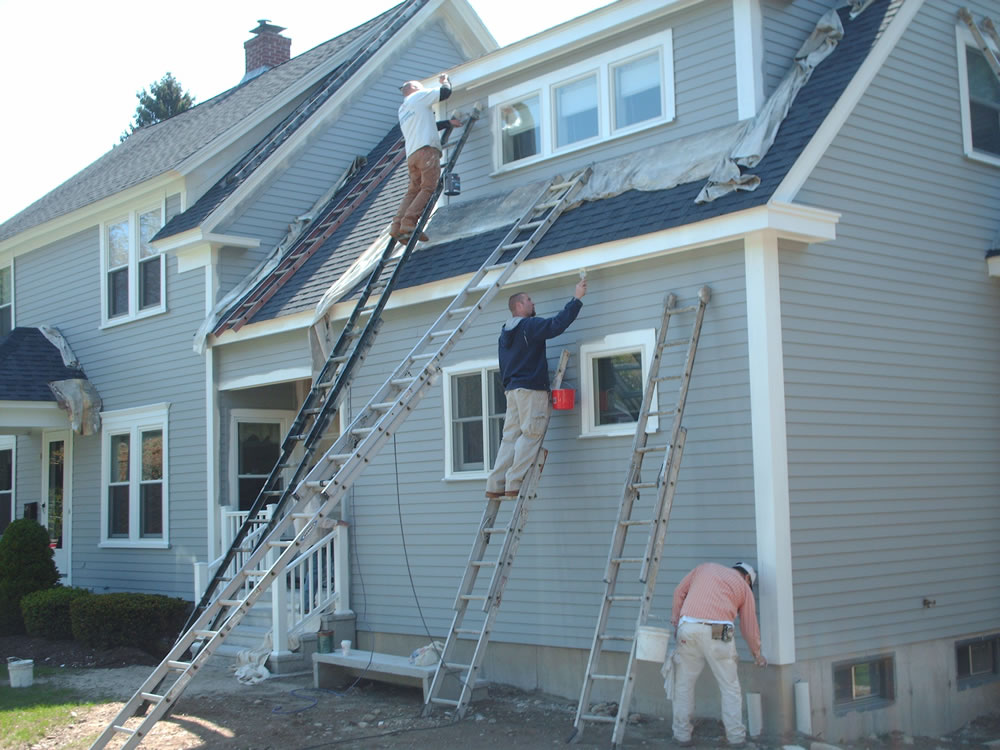
Residential restoration focuses on the personal sanctuary of a family. When a home suffers damage, the priority is restoring safety, comfort, and sentimental value. Technicians work closely with homeowners to salvage cherished belongings, furniture, and family heirlooms. Because the environment is intimate, the process is often more emotional, requiring a respectful, hands-on approach to return the dwelling to its pre-loss condition so the family can resume their daily lives.
Commercial
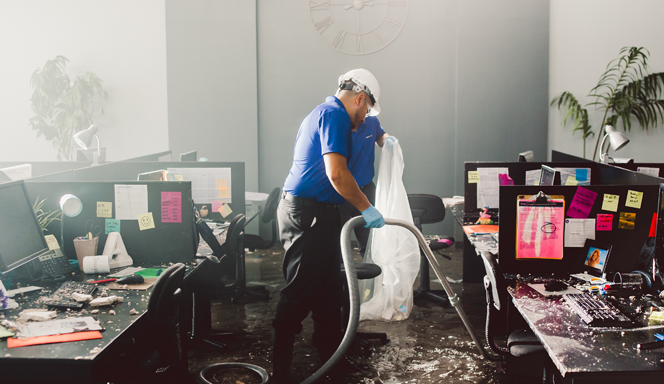
Commercial restoration is a race against time to minimize business interruption. For companies, every hour of closure translates to lost revenue and potential client turnover. The process requires heavy-duty equipment, specialized certifications, and adherence to strict OSHA safety standards. Professionals often work in phases or during off-hours to allow the business to remain partially operational. The ultimate goal is protecting the bottom line while ensuring a safe environment for employees.
Equipment and Technology
Restoration technology has evolved to provide pinpoint accuracy in moisture detection and structural drying. While both sectors utilize specialized machinery, the power requirements and capacity differ immensely. Professionals use thermal imaging and moisture meters to track hidden damage behind walls. Matching the right technology to the specific environment ensures that restoration is thorough, preventing long-term issues like mold growth or structural decay.
Residential Tools
In a home setting, equipment must be powerful yet maneuverable enough to navigate tight hallways and standard doorways. Restoration teams typically deploy high-velocity air movers and LGR (Low Grain Refrigerant) dehumidifiers designed to run on standard residential electrical circuits without tripping breakers. These tools are quieter and more compact, allowing for effective drying while minimizing the disruption to the family's living space and protecting delicate finishes like hardwood and drywall.
Commercial Tools
Commercial projects demand industrial-strength machinery capable of handling massive air volumes and deep saturation. Teams utilize large-scale desiccant dehumidifiers, often requiring external power generators, to pull moisture from large warehouses or office floors. Truck-mounted extraction units provide superior suction for rapid water removal over thousands of square feet. Additionally, specialized media blasting and industrial HEPA scrubbers are used to clean large structural surfaces and maintain air quality in high-traffic environments.
Regulatory Compliance and Safety
Adherence to safety protocols is non-negotiable in restoration to protect both occupants and technicians. While basic safety standards apply across the board, the specific legal frameworks and documentation requirements shift significantly between property types. Navigating these regulations requires specialized training and certifications to ensure that every repair meets building codes, environmental laws, and health department standards for safe re-occupancy.
Residential
Safety in a residential context centers on protecting the health of the family and the long-term integrity of the structure. Restoration professionals focus on adhering to local building codes and EPA guidelines regarding hazardous materials like lead-based paint or asbestos, which are common in older homes. The goal is to eliminate immediate physical hazards and ensure air quality is restored to a healthy level, providing the homeowners with total peace of mind.
Commercial
Commercial projects operate under a complex web of legal requirements, most notably OSHA safety standards. These sites often involve hazardous materials, heavy machinery, and high-traffic public areas that necessitate strict containment and signage. For specialized industries like healthcare or food service, restoration must also comply with stringent health department codes and ADA requirements. Meticulous documentation is essential here to satisfy inspectors, mitigate corporate liability, and ensure a legally compliant reopening.
The Stakes: Sentimental vs. Operational
The driving force behind any restoration project is the "why" behind the recovery. For homeowners, the motivation is deeply personal, centered on reclaiming a sense of security and history. For business owners, the focus shifts toward logistical continuity and financial survival. Understanding these differing priorities allows restoration professionals to tailor their speed, communication, and techniques to meet the specific needs.
Residential (The Heart)
In a residential setting, the restoration process is an emotional journey. A house is more than just a structure; it is a repository of memories and personal history. Professionals prioritize the "human element," focusing on salvaging irreplaceable items like family photos, heirlooms, and childhood keepsakes. Success is measured by how quickly a family feels safe and at home again, ensuring that the physical environment is restored to its original, comforting state.
Commercial (The Bottom Line)
For businesses, the primary objective is minimizing downtime to protect the bottom line. Every hour a facility remains closed results in lost revenue, disrupted supply chains, and potential loss of market share. Restoration teams operate with extreme urgency, often working around the clock to facilitate a rapid reopening. The focus is on maintaining operational continuity, protecting expensive equipment, and ensuring that the brand’s reputation remains intact through a professional, efficient recovery.
Insurance Intricacies
The financial side of restoration is often as complex as the physical cleanup. Navigating insurance claims requires precise documentation and an understanding of specific policy language. Because the coverage limits and claim requirements vary greatly between property types, having a restoration partner who understands how to communicate with adjusters is vital for ensuring that all eligible damages are covered and paid.
Residential
Residential insurance claims are typically straightforward, involving a single homeowner’s policy that covers the structure and personal property. The process focuses on documenting damage to the dwelling and its contents to secure funds for repairs and replacement. Restoration professionals assist by providing detailed estimates and photos, helping the homeowner navigate the deductible and ensuring the claim is processed smoothly so the family can focus on getting their lives back to normal.
Commercial
Commercial claims are significantly more complex, often involving multiple stakeholders, including property owners, tenants, and corporate boards. These policies frequently include Business Interruption insurance, which requires meticulous record-keeping to prove lost revenue during downtime. Restoration teams must provide highly detailed technical reports and cost breakdowns to satisfy rigorous corporate audit standards. This level of professional documentation is essential for navigating high-stakes negotiations and securing the full settlement required for business recovery.
Which Service Do You Need?
Choosing the right partner depends entirely on your property’s specific needs. A company specializing in residential work offers a personal touch for homeowners, while a commercial-grade team provides the heavy logistics required for large-scale operations. Evaluate the size of the damage and your priority—whether it is sentimental recovery or business continuity—to ensure your restoration provider has the appropriate specialized expertise.