Living in the beautiful Flathead Valley has its perks, but the moisture from Bigfork’s proximity to the lake and our snowy winters can create a hidden enemy: Stachybotrys chartarum, commonly known as black mold.
Identifying mold early is the difference between a quick cleanup and an expensive remediation project. Here is your local guide to spotting the signs before they spread.
1. Look for the Visual Warning Signs
Identifying black mold in a Bigfork home requires a keen eye, as it rarely looks like a simple spill. Because our local climate ranges from lakeside humidity to dry winter heat, mold takes on different physical characteristics depending on its age and moisture source. To help you distinguish dangerous fungal growth from common household dirt or water stains, look for these three specific visual indicators that suggest a serious infestation is underway.
Distinctive Color and Texture Profiles
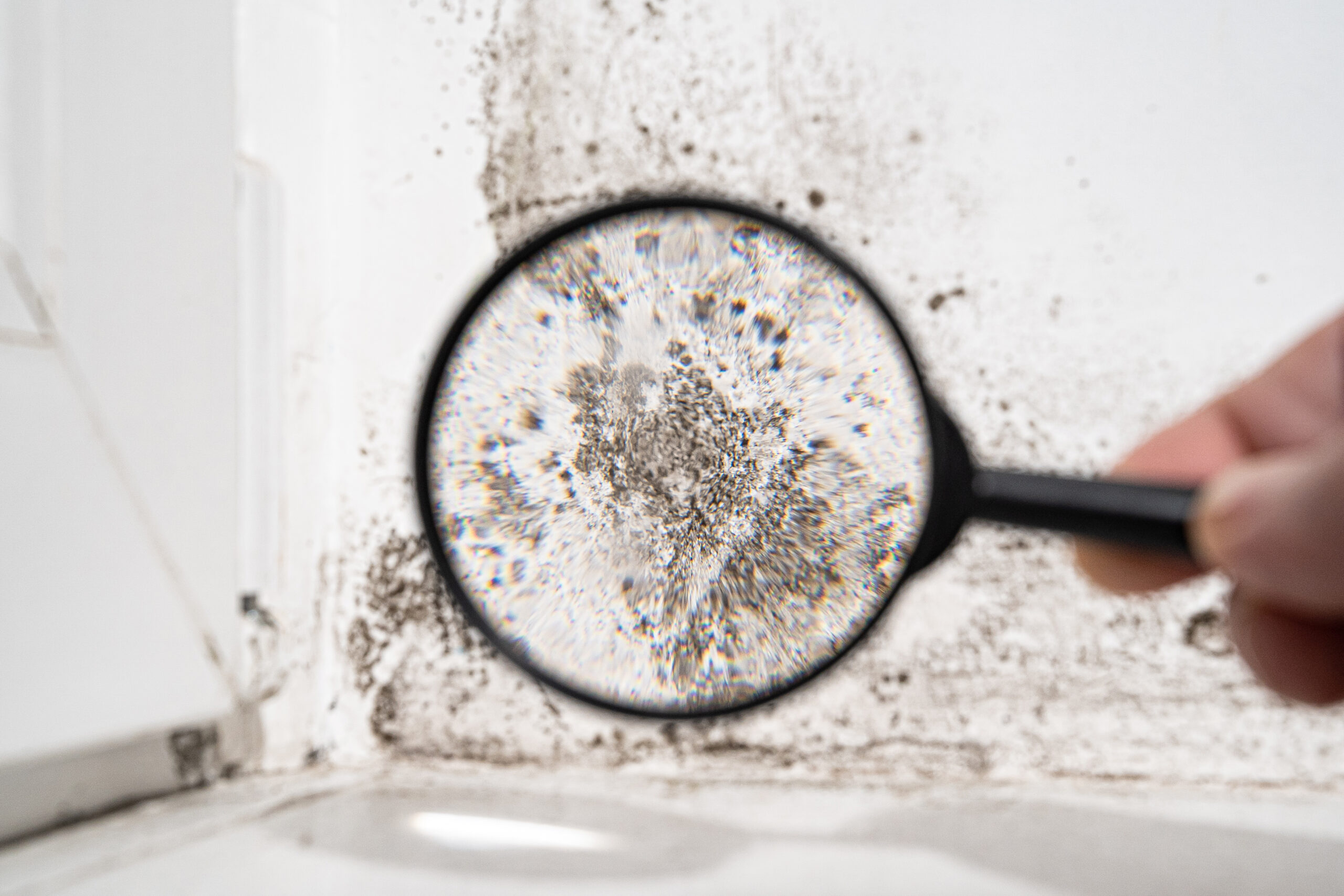
Black mold, or Stachybotrys chartarum, is rarely a flat, matte black. In the damp environment of a Flathead Valley basement, it typically appears as a slimy, dark greenish-black layer. This gelatinous texture occurs because the mold produces a wet surface coating. However, if the moisture source has recently dried up—perhaps after a seasonal shift in Bigfork—the mold may appear gray and powdery. Regardless of the current moisture level, these dark, splotchy clusters are a definitive warning sign.
Pattern of Growth and Spreading
Unlike a splash of dirty water or a singular stain, black mold grows in distinct, circular patterns that eventually merge into large, irregular colonies. You will often see "soot-like" specks that seem to cluster together, radiating outward from a central moisture point like a leaky window frame or a condensation-heavy pipe. In Montana homes, this growth often follows the lines of the wall studs or ceiling joists, as the organic material in the drywall provides the perfect "food" for the spores.
Evidence of Water Damage and Bubbling
Often, you won’t see the mold itself first; you will see the damage it causes to your home's surfaces. Look for "bubbling" or peeling paint and wallpaper, which indicates that moisture and mold are trapped behind the surface. In Bigfork’s older lakefront cabins, check for warped wood or yellowed ceiling tiles. If you see dark, spider-web-like streaks appearing beneath a water stain, the mold has likely already compromised the structural integrity of the material and requires immediate professional assessment.
2. Follow Your Nose (The "Musty" Test)
In Bigfork, we’re used to the smell of fresh pine and lake air. If you walk into a room—especially a basement, crawlspace, or bathroom—and notice a pungent, earthy, or rotting-wood smell, you likely have a colony growing nearby. This odor is caused by microbial volatile organic compounds (mVOCs) released as the mold grows.
3. Identify Moisture Hotspots
In the unique climate of Bigfork, Montana, identifying mold starts with finding the water. Our homes endure a cycle of heavy snowpack, spring runoff, and lakeside humidity, all of which create specific "hotspots" where moisture can linger undetected. By focusing your inspection on these high-risk zones, you can catch a mold colony in its infancy before it requires professional remediation. Here are the three most common areas in Flathead Valley homes where moisture tends to accumulate and invite fungal growth.
Condensation Around Window Frames and Sills
In Bigfork, the dramatic temperature difference between a cozy interior and the freezing Montana winter often leads to heavy condensation on window glass. This moisture trickles down into the wooden frames and sills, providing the perfect damp environment for black mold to take root. If you notice pooling water or black specks along the caulking, it’s a sign that your seals are failing. Regularly wiping down these areas and ensuring proper ventilation is essential to prevent spores from embedding in the porous wood.
Basements, Crawlspaces, and Foundation Leaks
Because many homes near Flathead Lake sit on high water tables, basements and crawlspaces are primary targets for moisture intrusion. Hydrostatic pressure can force groundwater through tiny cracks in your foundation, creating a damp, dark environment where black mold thrives. You should regularly inspect your rim joists and concrete walls for "efflorescence"—a white, powdery salt deposit—which indicates that water is moving through the stone. Once moisture settles in these low-airflow areas, mold can spread rapidly across storage boxes and insulation.
Attic Vulnerabilities and Winter Ice Dams
The heavy snowfall we experience in the Flathead Valley can lead to "ice dams" on your roof, which occur when heat escapes your attic and melts the bottom layer of snow. This water backs up under your shingles and leaks into the attic space, soaking the insulation and drywall from above. Because attics are rarely visited, black mold can grow undisturbed for months. Periodically check your attic for damp smells, matted insulation, or dark staining on the underside of the roof sheathing to catch leaks early.
4. Pay Attention to "Mystery" Health Symptoms
Sometimes your body identifies mold before your eyes do. If you or your family members experience these symptoms only while at home, it’s a red flag:
Chronic coughing or wheezing.
Persistent sinus headaches.
Unexplained skin rashes.
Watery, itchy eyes that clear up when you go for a walk in Wayfarers State Park.
Comparison: Mildew vs. Black Mold
It’s easy to confuse the two, but the treatment is very different.
Feature | Mildew | Black Mold |
Color | Usually white, gray, or yellow | Dark black, dark green, or charcoal |
Texture | Powdery or fluffy | Slimy (if wet) or fuzzy/velvety |
Growth | Grows on surfaces (flat) | Digs deep into porous materials |
Risk | Minor irritant | Potential for serious respiratory issues |
When to Call a Professional in Bigfork?
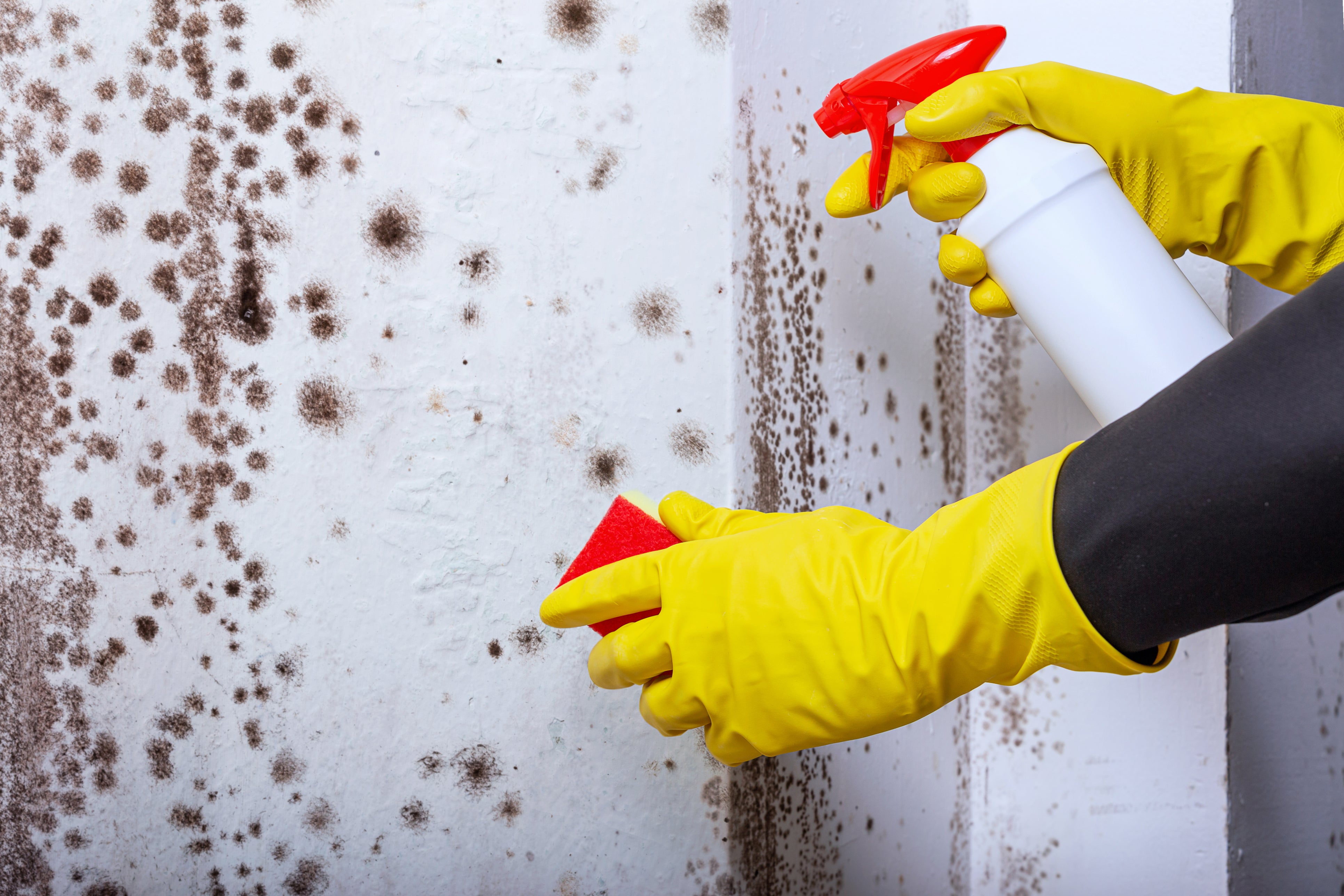
If the mold patch is larger than 10 square feet (roughly a 3x3 area), the EPA recommends hiring a professional. DIY cleaning of large black mold colonies can actually release millions of spores into your HVAC system, contaminating the rest of your home.