Finding a damp spot on your ceiling or a small leak under the sink might seem like a "fix it next weekend" kind of task. However, water is a patient predator. What begins as a minor inconvenience can rapidly escalate into a structural nightmare and a significant health hazard.
If you’re ignoring a leak, you’re not just saving time—you’re risking your home’s integrity and your family’s well-being. Here are the hidden dangers of untreated water damage you cannot afford to ignore.
The Silent Growth: Mold and Mildew
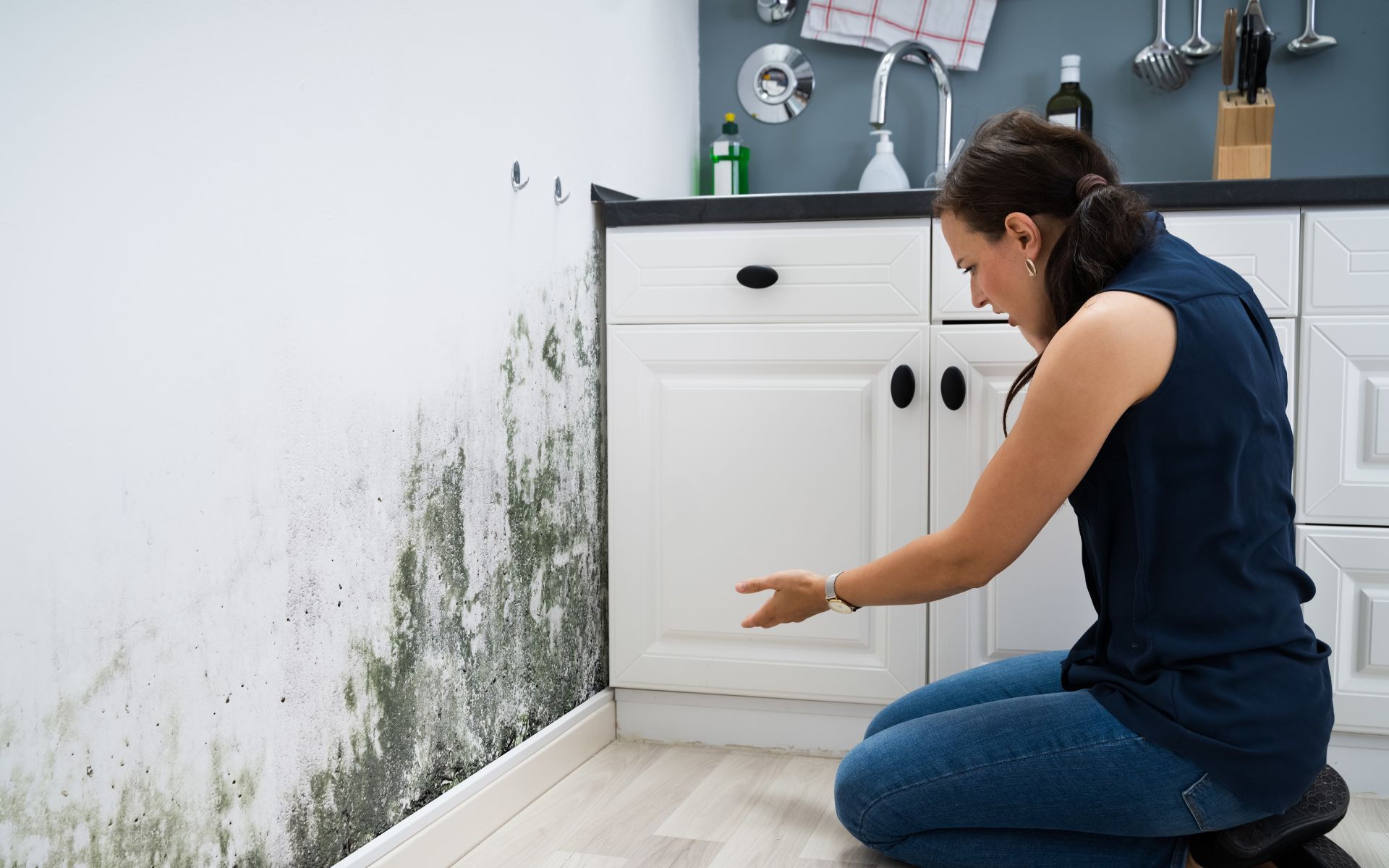
Mold is a patient invader, requiring only moisture and a food source to thrive. Within 24 to 48 hours of water exposure, spores begin colonizing organic materials like drywall and wood. This rapid proliferation often happens in the shadows, spreading quietly through wall cavities and subfloors. By the time you see dark spots, the infestation is already deeply rooted.
The Health Risk
Ignoring water damage invites microscopic toxins into your living space. Mold spores act as potent allergens, triggering persistent coughing, sneezing, and skin rashes. For vulnerable individuals, such as children or those with asthma, the impact is more severe, potentially leading to chronic respiratory infections or "sick building syndrome." Because these pathogens are airborne, they bypass your natural defenses, turning your sanctuary into a source of constant physical distress.
The Hidden Factor
The most dangerous aspect of mold is its ability to remain invisible. While you might expect a visible stain, moisture often trapped behind wallpaper, under carpets, or inside insulation creates a thriving ecosystem out of sight. These hidden pockets release a distinct, musty odor—the primary warning sign of a subsurface problem. Without professional thermal imaging or moisture meters, this "ghost" damage continues to degrade your home’s air quality undetected.
Compromised Structural Integrity
Water acts as a slow-motion wrecking ball to your home’s skeletal system. When moisture saturates load-bearing elements, it compromises the chemical and physical bonds of building materials. What starts as a minor leak eventually leads to warping, shifting, and sagging. Over time, the very framework designed to keep your family safe becomes unstable, turning a sturdy house into a serious liability.
Wood Rot
Wood is highly porous, making it a primary target for moisture-driven decay. When water penetrates support beams or floor joists, it triggers fungal growth that eats away at the cellulose, leading to "dry rot" or "wet rot." As the fibers break down, the wood loses its tensile strength and becomes brittle or spongy. Left untreated, these weakened supports can no longer hold the weight of your home, risking catastrophic structural failure.
Drywall Damage
Drywall acts like a giant sponge, wicking up moisture far beyond the initial point of contact. Once saturated, the gypsum core loses its rigidity, causing the panels to swell, heavy sagging in ceilings, and unsightly bubbling of paint or wallpaper. Beyond the aesthetic ruin, damp drywall becomes a soft, organic breeding ground for deep-seated mold. Eventually, the material loses all structural integrity, often crumbling or collapsing entirely under its own weight.
Foundation Cracks
Water damage isn't just an internal threat; it attacks from the ground up. Excess moisture around your home’s perimeter increases hydrostatic pressure, forcing water against the concrete base. This pressure, combined with the natural expansion and contraction of wet soil, causes the foundation to shift and crack. These fissures allow even more water to seep in, creating a vicious cycle that threatens the entire stability and safety of your property.
Electrical Hazards and Fire Risks
It sounds counterintuitive, but water damage is a leading cause of electrical fires.
When water seeps into walls, it comes into contact with electrical wiring, junction boxes, and outlets. This can cause short circuits, which lead to sparks. Even if a fire doesn't break out, the moisture can corrode your wiring, leading to expensive electrical overhauls and the constant threat of power surges.
Drastic Drop in Property Value
If you plan to sell your home, "past water damage" is a red flag that sends buyers running.
Professional home inspectors are trained to look for the tell-tale signs: musty odors, bubbling paint, and warped flooring. Even if you "paint over" the problem, moisture meters will detect the truth. Untreated damage can slash your home's market value by 10% to 25% or even stall a sale entirely.
Pest Infestations
Insects and rodents love damp, decaying wood. Termites, carpenter ants, and cockroaches are naturally drawn to the high humidity levels found in water-damaged homes. Once these pests move in, they cause secondary damage that makes the initial leak look like a minor issue.
When to Call a Professional?
While a small spill is a DIY cleanup, you should contact a professional restoration service if:
The water has been standing for more than 24 hours.
The water source is "black water" (sewage or contaminated groundwater).
The damage covers an area larger than 10 square feet.
Final Thoughts
Ignoring water damage is a gamble with your home’s safety and your family’s health. What begins as a small damp spot quickly evolves into structural decay and toxic mold. Protect your investment and well-being by addressing leaks immediately—early intervention is the only way to prevent a minor drip from becoming a disaster.